Infinite-Uptime

Author: Iu_Zer0

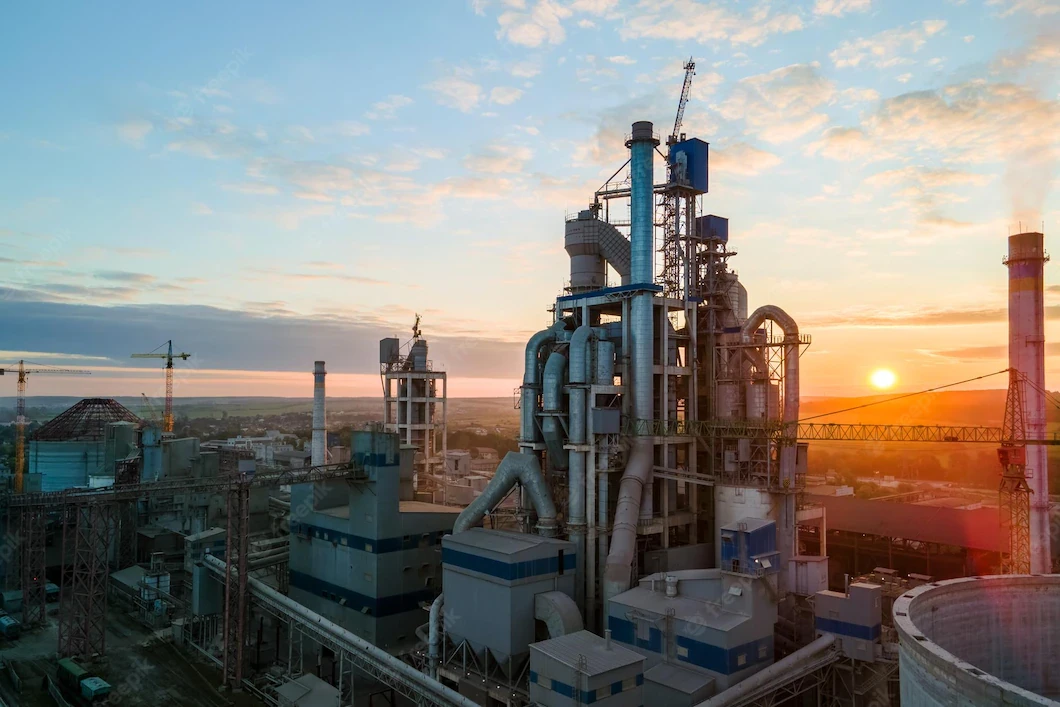
  • Predictive Maintenance in Cement Industry: Driving Plant Reliability Through Focused Applications
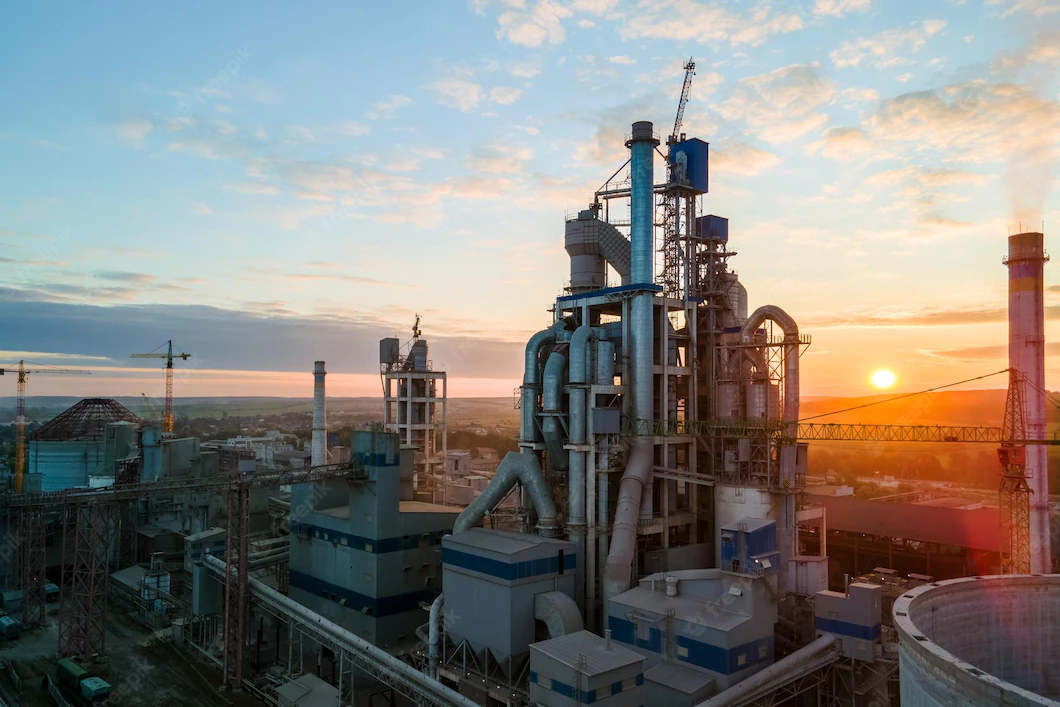
    Predictive Maintenance in Cement Industry: Driving Plant Reliability Through Focused Applications

    Predictive Maintenance in Cement Industry: Driving Plant Reliability Through Focused Applications


    Plant reliability is evolving into an important focus area for production and operation heads in both discrete and process manufacturing industries. With global market dynamics shifting and supply chain-wide efficiencies becoming crucial for maintaining competitive advantage; manufacturers are investing in initiatives and strategies that can make their production environments more productive and reliable. Naturally, the market for predictive maintenance, potentially the biggest enabler of reliability objectives, is growing exponentially.

    By the end of 2022, global investments in predictive maintenance are estimated to reach USD 5.86 Bn and continue to grow at a rate of 30.67% CAGR. While North America is presently the biggest market for predictive maintenance and reliability solutions, the Middle East and Asia Pacific are the fastest-growing markets, poised to be the growth hubs of tomorrow. Amidst such promising developments, the cement industry remains a front-runner and prominent adopter of predictive maintenance solutions.

    Predictive Maintenance in Cement Plants

    Predictive maintenance (PdM) is a maintenance approach that entails the use of cloud-enabled technologies to monitor diverse assets involved in production and estimate maintenance needs on the basis of asset conditions and detected anomalies. Industrial assets are monitored in real-time using advanced condition-based monitoring (CBM) techniques. Edge diagnostics and vibration analysis are subsequently deployed to determine the state of assets and determine the presence of impending mechanical faults such as:

    1. Structural and rotational looseness

    2. Stiffness and unbalance

    3. Heightened friction due to lack of lubrication

    4. Misalignment and insufficient clearance

    5. Coupling and gear defects

    6. Bearing faults and failure

    With the timely diagnosis of equipment faults, predictive analytics also perform root cause analysis to provide insights about underlying causes and guide decision-making about maintenance planning. OEM inspections can be more targeted and the time to source and replace machine components can be reduced with access to the right information. In the cement industry, where even an hour of unplanned downtime due to equipment failure can translate into as much as $100,000 of losses in revenue, focused application of PdM could mean savings of millions of dollars.

    However, plant maintenance and digitalization teams responsible for automating maintenance processes must assess mission-critical equipment and applications before adopting the predictive maintenance approach. Here are some of the most significant applications in cement production that can be monitored in real-time with PdM solutions and made more reliable.

    Critical Applications of PdM in the Cement Industry

    Raw Mill
    Raw mill is an essential part of the raw material handling and grinding process in a cement manufacturing plant. It grinds the raw material into a ‘raw mix’, which is then fed into the kiln for making clinker. Typically, the machine consists of a dry chamber outfitted with two grinding units to completely grind the raw material fed into the raw mill hoppers.

    The raw mill also has large bag house fans and seal air fans to support the separation of grit and the Dynamic Air Separator (DAS) function. These fans can often suffer from mechanical issues like bearing faults and unbalance in the fan impeller due to dust coating. If left undiagnosed, unbalancing can lead to up to 4 hours of downtime in the raw mill, whereas bearing defects can surmount even higher downtimes if replacement bearings are not available.

    With predictive maintenance, these faults can be pre-emptively detected and resolved, ensuring maximum availability of a raw mill. 56 monitoring locations can be digitized to track the mill condition in real time. As the subsequent cement production process depends on the output of the raw mill, continual condition monitoring of the equipment also ensures that the downstream process continues uninterrupted.

    Coal Mill
    The next critical application in cement production is a coal mill, also known as a coal pulverizer or coal grinder. A coal mill is used for grinding coal into coal powder and supplying it to the kiln and calciner units. The most common types of coal mills in cement manufacturing are vertical roller mills and air-swept ball mills. Since kilns utilize large amounts of coal powder as fuel to support cement production, coal mills have to run continuously and reliably.

    However, components such as rotary feeder, classifier, and seal air fans are prone to wear-tear and mechanical faults which could disrupt the coal mill’s functioning. Bearing and gearbox defects in the mill can result in as much as 56 hours of unplanned production downtime. With real-time condition monitoring on 32 bearing locations and vibration analysis to diagnose equipment faults, strong maintenance contingency plans can be installed in place to avoid such costly process failures.

    Kiln
    Shaft and rotary kilns are the most commonly used type of kiln applications in the cement industry. Kilns are responsible for creating very high temperatures (1500 ⁰C) in an insulated environment to facilitate chemical and physical reactions between raw material components. As a complex machine group, it has critical machines working in continuum such as PH (pre-heater) fans, kiln feeder elevators, calciners, and cooling fans.

    Drive misalignment in the kiln feeder bucket elevators can result in 12 hours of production downtime, whereas faults like gear mesh and incorrect clearance can cause up to 16 hours of downtime. Similarly, calciner string fans can repeatedly break down due to product build-up on impellers and lead to over 10 hours of downtime. Unbalance and misalignment in PH fans due to self-coating can also halt production for up to 8 hours.Through a predictive maintenance approach, over 102 monitoring locations can be digitized within the kiln section to provide real-time machine health information to the maintenance teams. Faults can be detected in advance with data-backed insights about corrective actions to facilitate maintenance events.Cement Mill
    The nodular clinker generated in the kiln is then transferred to the cement mill, wherein with the help of vertical roller mills, roller press, and ball mill, it is converted into the powder form of cement. Bearing and coupling faults in the gearbox of a cement mill can halt the cement plant production for up to 3 days. At the same time, structural looseness and misalignment in mill components can lead to nearly 30 hours of production downtime.To avoid such costly process disruption, cement mill conditions can be monitored in real-time by digitizing over 44 bearing points. Advanced edge diagnostics and predictive analytics can alert maintenance teams about existing and potential machine faults and support informed OEM investigations.

    Driving Plant Reliability through focused PdM applications

    In addition to the aforementioned applications, cement plants also have:

    ● Packaging units
    ● Crusher area
    ● Classifiers
    ● Dust collector fans
    ● BPC conveyor belts
    ● Bucket elevators

    All these assets operate in tandem to form a complex production environment. Optimal asset management can’t rely on offline or manual monitoring practices and preventive maintenance strategies. In fact, these could lead to safety hazards and gradual deterioration of plant assets with depletion of remaining useful life (RUL).Plant reliability objectives can be sustainably pursued in cement plants with standardized maintenance and asset management strategies. While building the right team and maintenance mindset are important prerequisites in building more reliable plants, adopting predictive maintenance and prioritizing the right assets for digitalization are critical reliability drivers. With a data-first reliability approach that focuses on optimizing PdM applications, cement manufacturing units can be effectively digitized and readied for the future.

    Infinite Uptime’s digital reliability solutions are tailored to assist maintenance teams in the cement industry to drive centralized reliability goals. IoT-enabled asset health monitoring and predictive analytics are shared with plant leaders to execute application-specific maintenance strategies. Our patented vibration analysis technology and syndicated reliability reports allow maintenance teams to maximize their plant reliability and minimize production downtime.

    Get in touch with our experts or book a demo now to understand how our solutions fit your cement plant.

    FAQs


    What is predictive maintenance (PdM) and why is it significant in the cement industry?
    Predictive maintenance utilizes real-time data and advanced analytics to predict equipment failures before they occur. In the cement industry, where downtime can be extremely costly, PdM helps in preemptively addressing issues like bearing faults and misalignments, thus ensuring uninterrupted production and reducing maintenance costs.


    How does predictive maintenance enhance reliability in raw mills and coal mills?
    In raw mills and coal mills, critical components like seal air fans and rotary feeders are prone to faults that can lead to significant downtime. PdM monitors these components in real-time using vibration analysis and condition-based monitoring, allowing maintenance teams to detect faults early and plan maintenance effectively to prevent costly disruptions.


    What are some key benefits of applying predictive maintenance to kiln operations?
    Kilns in cement plants involve complex operations with high temperatures and critical components such as PH fans and kiln feeder elevators. PdM with over 102 monitoring locations can identify issues like drive misalignment and gear mesh faults early, minimizing downtime and optimizing production efficiency.


    How does predictive maintenance help in optimizing cement mill operations?
    Cement mills face challenges such as bearing and coupling faults that can halt production for days if not addressed promptly. By monitoring over 44 bearing points with PdM, maintenance teams can proactively manage structural issues and misalignments, thereby ensuring continuous production and reducing maintenance costs.


    What role do digital reliability solutions play in implementing effective PdM strategies in cement plants?
    Digital reliability solutions integrate IoT-enabled asset health monitoring and predictive analytics, providing real-time insights into machine health. These solutions enable cement plants to optimize maintenance schedules, minimize downtime, and extend asset life through data-driven decision-making.


    How can cement plants achieve sustainable plant reliability through focused applications of PdM?
    By prioritizing critical assets like packaging units, crushers, and classifiers for digitalization and PdM, cement plants can enhance overall plant reliability. This approach not only improves operational efficiency but also reduces safety risks and ensures long-term sustainability in production.

  • Understanding Machine Health Score and its Importance in Asset Reliability

    Understanding Machine Health Score and its Importance in Asset Reliability

    Understanding Machine Health Score and its Importance in Asset Reliability

    A person uses a tablet to review colorful business data visualizations, including a bar chart, a line graph, and a pie chart, while working on a desk with paper reports.

    Machine health is the underlying propeller for asset reliability in the manufacturing industry. Machines that are maintained in optimal conditions are increasingly available for mission-critical operations. They are also at a lower risk of defective performance or sudden failure. This helps operations and maintenance teams move towards total plant reliability and depend on assets for uninterrupted production.

    For decades, this understanding has pushed the preventive maintenance approach in manufacturing setups. Maintenance leaders are keen on monitoring individual machines and performing maintenance activities at predefined intervals. But this expensive approach forces them to carry spare inventory at all times and carry out replacements even before the remaining useful life of the component has been realized. Furthermore, the root cause analysis of declining machine conditions is rarely ever performed and similar problems keep happening repeatedly.

    As manufacturing leaders are prioritizing maximum production uptime and plant reliability, they are attempting to figure out a holistic metric that can report overall plant condition. From a cost and ROI standpoint, machine health score is emerging as the metric that can generate real-time business intelligence and guide strategic decision-making. This article will cover what machine health score is and how it’s imperative for managing asset reliability.

    What is Machine Reliability?

    Machine reliability is the measure of how dependable a machine is in consistently performing its intended functions without unexpected breakdowns or failures. It indicates how trustworthy the machine is in maintaining its operational capabilities over time under normal operating conditions.

    What is Machine Health Based on?

    Before delving into machine health score as a metric, it’s important to understand what exactly machine health is made up of. Machine health is based on three main factors:

    Maintenance requirements: For any equipment, basic maintenance standards and instructions are defined by the original equipment manufacturer (OEM). Furthermore, industry regulators can define equipment maintenance mandates to ensure a safe production environment for shop-floor workers. Machine health takes into consideration these standards and regulations to determine a frame of reference. If a machine is performing as per the pre-defined frame of reference, its maintenance needs can be predicted and planned. Any deviation from the standards can, however, give rise to unique maintenance requirements and indicate diminishing machine health.

    Operating conditions: The operating condition of a machine is another important factor in determining its overall health. With cloud-enabled condition monitoring and predictive maintenance solutions, equipment conditions can be tracked in real-time. Advanced data analytics is deployed to capture machine vibrations and report them in the form of detailed frequency spectrum and waterfall diagrams. These in turn can be used to check anomalous behavior and deteriorating machine conditions, even before a physical inspection is due to be performed.Running history: Finally, the running history of a machine tells a lot about its health. The number of times a machine has broken down since installation, the duration of every breakdown, and underlying cause of machine failure, and the impact on total production throughput are covered in running history. Historic machine performance and availability data need to be recorded and analyzed to determine the useful life of a machine. The useful life can, in turn, help determine the health in which the machine may be operating.All these factors, when measured collectively, can generate machine health insights. Quantifying these insights results in the generation of machine health scores, which can be used by maintenance and operations teams to plan maintenance events.

    What is Machine Health Monitoring?

    Machine health monitoring refers to the systematic process of assessing and tracking the operational condition and performance of industrial machinery. It involves the continuous evaluation of factors such as maintenance requirements, operating conditions, and running history to gauge the overall health and reliability of machines. This monitoring is crucial for preemptive maintenance planning, as it enables early detection of potential issues, thereby reducing the risk of unexpected breakdowns and optimizing equipment uptime and performance. Machine health monitoring typically utilizes advanced technologies like predictive maintenance solutions, condition monitoring systems, and digital reliability platforms to generate actionable insights and machine health scores. These scores provide quantifiable metrics that aid maintenance teams in making informed decisions and implementing effective maintenance strategies to ensure optimal operational efficiency and prolonged asset lifespan.

    Understanding Machine Health Score

    An industrial inspector wearing a high-visibility safety vest writes on a clipboard while checking equipment at an outdoor work site. Machine health score is essentially a scoring system used to monitor the overall equipment effectiveness by way of performing regular condition checks. It is reported in the form of an absolute percentage or a percentage range to indicate the machine’s condition or reliability. To arrive at a quantifiable number or score, a series of health checks are performed on the machine. If the machine under investigation is checked 10 times and passes the checks 7 times, then a health score of 70% can be assigned to it.These checks are sophisticated in nature and capture the machine’s condition, running history, and maintenance requirements. If the pass or fail status of the health check is indeterminate over a large number of checks, then deeper machine investigation is needed. During standard checks, however, the following score ranges can be generated:


    Machine Health Score Meaning of score
    N/A Either insufficient data exists to determine machine health or the health check isn’t performed to make the machine health score available
    0% – 20% Machine is operating at a very high risk of breakdown due to frequently sustained wear-tear and/or high consumption of energy
    21% – 40% Machine has a high risk of failure due to heavy wear-tear and high energy consumption
    41% – 60% Machine is going through repeated wear, that is diminishing its health and putting it at risk of sudden breakdown
    61% – 80% Machine is experiencing intermittent wear and sub-optimal energy consumption, causing a small risk of potential failure
    81% – 100% Machine is working in near-optimal condition and is highly reliable. There is a low or no chance of failure due to wear-tear.

    Various digital reliability mechanisms can report machine health scores with an error margin of 10-20%. Solutions that deploy predictive maintenance technologies such as edge diagnostics and digital twins are more accurate than others. Regular reporting of machine health scores can empower maintenance teams with invaluable intelligence and allow them to organize informed maintenance events.In conclusion, the machine health score becomes a much more useful indicator of plant reliability than total production downtime. For both discrete and continuous production environments, maintenance teams can realistically track the availability and reliability of all available assets. Whether machines are grouped together or distributed over vast geographies, a unified dashboard can inform maintenance decision-makers about machine conditions. With a holistic understanding of what machine health is and how it is scored, maintenance professionals can select digital reliability solutions that can help in the accurate calculation and reporting of industrial machine health.Infinite Uptime’s digital reliability solutions perform advanced monitoring and analysis to report the most accurate machine health score for digitized plants. Plant leaders in industries such as Cement, Steel, Mining, Automotive, Tyre, Chemicals, Paper, FMCG, Pharmaceuticals, Glass, Oil & Gas, etc. have witnessed a sustainable increase in asset availability and performance with our digital reliability platform. Our patented vibration analysis technology and syndicated reliability reports allow maintenance leaders to minimize production downtime and improve industrial machine health in the long term.Get in touch with our experts or book a demo now to understand how our solutions fit your plant.

    FAQs


    What constitutes machine health and why is it crucial in manufacturing?

    Machine health encompasses maintenance requirements, operating conditions, and running history, all of which determine the machine’s reliability and performance. It’s critical because optimal machine health minimizes breakdowns, ensures operational safety, and supports continuous production.


    What is a machine health score meaning, and how is it calculated?

    A machine health score quantifies the overall equipment condition based on regular health checks. It is typically reported as a percentage, reflecting the machine’s reliability level. Scores range from 0% to 100%, indicating varying degrees of risk of failure or optimal performance.


    How does predictive maintenance contribute to improving machine health scores?

    Predictive maintenance uses IoT and AI technologies to monitor machine conditions in real-time, enabling proactive maintenance actions. By predicting failures before they occur, predictive maintenance helps maintain high machine health scores by addressing issues preemptively.


    What are the benefits of using machine health scores for maintenance planning?

    Machine health scores provide actionable insights for maintenance teams to plan interventions effectively. They prioritize maintenance efforts based on the criticality of each machine, optimize spare parts inventory, and minimize downtime, ultimately improving overall asset reliability.


    What role do digital reliability solutions play in reporting accurate machine health scores?

    Digital reliability solutions, such as edge diagnostics and digital twins, enhance the accuracy of machine health assessments. They integrate data from various sensors and systems to generate reliable health scores, empowering maintenance teams with precise information for decision-making.


    How can machine health scores support plant reliability beyond individual machines?

    Machine health scores offer a holistic view of plant reliability by aggregating data from multiple assets. They enable maintenance managers to monitor the health of entire production lines or facilities, facilitating strategic planning to enhance overall operational efficiency and uptime.

  • Asset Reliability Transformation: The Maintenance Perspective

    Asset Reliability Transformation: The Maintenance Perspective

    Asset Reliability Transformation:
    The Maintenance Perspective


    Persistent volatility in global trade and evolving geo-economic climate have propelled even the more conservative businesses towards digitalization and asset optimization. With better control of production costs and seamless visibility of the supply chain, even the harshest market conditions can be toughed out. As more and more manufacturing leaders come to realize this, asset reliability has taken center stage in Industry 4.0-related technologies and production best practices.

    But what does asset reliability mean for operation and maintenance managers? How does the concept translate into viable strategies? In this article, we will discuss asset reliability transformation, how more reliable plants can be built and maintained, and what it would mean for the asset maintenance teams of tomorrow.

    What is Asset Reliability?

    Reliability as a term often revolves around adherence to defined standards, a set of expectations, and consistent performance. For most industrial assets, reliability means performing within pre-defined operating conditions and delivering expected results. In a production environment, therefore, an increasing focus is shifting toward asset reliability management. Reliable assets:

    • Experience lesser breakdown and component failures
    • Are available whenever they are required in the production process
    • Safer and more sustainable to operate
    • Adhere to regulatory and quality standards
    • Minimize net maintenance costs and effort

    Although, throughout Industry 4.0, there has been a gradual buy-in from manufacturing leaders for prioritizing asset reliability, the ‘how’ part of it has been remiss. Operations and maintenance managers understand the need for reliable assets in their production plants, but how to make available assets more reliable is still not well understood.

    With asset reliability transformation, the status quo is changing and manufacturing industries are beginning to develop scalable and sustainable strategies to improve asset reliability.

    What is asset reliability transformation?

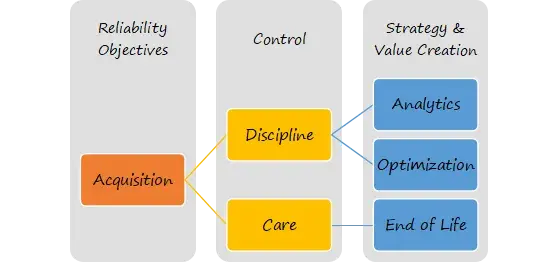
    Asset reliability transformation takes into consideration the acquisition, operation, maintenance, and complete useful life of every industrial asset. The entire transformation journey can be mapped in the following steps:

    1.Acquisition:
    At the very first stage of asset acquisition, it is critical to determine whether the asset is designed and built for reliable performance or not. Furthermore, once acquired, the asset should improve the net plant reliability, integrating with the existing infrastructure and asset ecosystem. These prerequisites can be featured in every project plan along with standard regulation and acceptance tests that are performed at the time of new asset acquisition.

    2.Discipline:
    Once an asset has been installed and started functioning, the operation teams start focusing on asset control. This includes defining the workflows, planning, and scheduling asset utilization, determination of precision work conditions, and adopting CMMS (Computerized Maintenance Management Systems). Factoring in the standard wear of components, spares management must also be an important driver to ensure continued asset reliability.

    3.Care:
    Meticulous asset care directly contributes towards improved asset reliability. From adoption of standard operating procedures to a strategic maintenance approach; asset care includes cleaning, lubrication management, equipment calibration, and maintenance management, spares inventory, and operator care. Moving away from reactive and preventive maintenance to adopt more advanced prescriptive and predictive maintenance models can lay a foundation for more available and reliable assets.

    4.Analytics:
    For effective analytics to happen and provide business intelligence, processes and tools need to be in place for capturing relevant information. Key metrics to monitor and measure performance needs to be identified and regularly tracked. With AI and IoT-enabled solutions, predictive analytics can be used to diagnose hidden failures, minimize the risk of asset breakdown, and drive reliability objectives.

    5.Optimization:
    Asset optimization requires constant monitoring of machine health while assessing risks, challenges, and opportunities for driving reliability objectives. OEE (Overall Equipment Effectiveness) forms the premise for ensuring asset reliability, which can strategically build toward total plant reliability.

    6.End Of Life (EOL):
    Ultimately, End of Life management for all plant assets is also essential for maintaining sustainable production practices and pursuing reliability in a responsible manner. Before spares are installed or assets are replaced completely, performing root cause analysis for failure and capturing breakdown circumstances is critical. Information captured at this stage should serve as insights for managing new assets. Disposal standards for assets must also conform to regulatory norms.

    The maintenance perspective in asset reliability transformation

    Among these six steps of the asset reliability transformation journey; the maintenance perspective is clearly captured in the ‘discipline’ and ‘care’ of assets. Assets that are cared for and maintained in optimal working conditions are less likely to fail or break down. At the same time, digitalized monitoring mechanisms allow for safer and more effective maintenance strategies.

    Advanced predictive maintenance and digital reliability solutions can empower plant operation teams to build a connected enterprise that has a mine of asset intelligence. With the right information accessible and analyzed for generating meaningful insights, maintenance teams can lead the reliability transformation wave.

    • Visibility of all assets can be optimized with cloud and IoT-enabled technologies, and can capture asset data 24×7
    • Asset performance, condition, and need for intervention can be monitored in real-time with minimal human intervention
    • Plant-wide data can be predictively analyzed to plan and schedule maintenance events
    • Asset cleaning, lubrication, and maintenance can be strategically planned for minimal disruption in production schedules
    • Spares management can be streamlined and optimized by realizing the complete remaining life of assets and avoiding preventive part replacements
    • Key metrics such as MTTR (Mean Time To Repair), and Mean Time Between Failure (MTBF) can guide maintenance planning, making equipment more reliable and available
    • Root cause failure analysis and predictive analytics can provide helpful insights to guide asset acquisition and management

    In sum, while asset reliability is a larger goal driving manufacturing leaders to look beyond asset management, it is rooted in asset maintenance and optimization through smart technologies. Acquiring assets that are built for reliable performance, caring for them, and optimizing their performance with intelligent interventions can drive reliability transformation. And predictive maintenance remains at the heart of it all.

    Infinite Uptime’s digital reliability solutions are tailored to assist plant reliability teams in undergoing an effective asset reliability transformation. IoT-enabled asset health monitoring and predictive analytics are shared with plant leaders in industries such as Cement, Steel, Mining, Automotive, Tyre, Chemicals, Paper, FMCG, Pharmaceuticals, Glass, Oil & Gas, etc. Our patented vibration analysis technology and syndicated reliability reports allow maintenance leaders to maximize their plant reliability and minimize production downtime.

    Get in touch with our experts or book a demo now to understand how our solutions fit your plant.

    FAQs


    What is Asset Reliability?
    Asset reliability refers to the consistent performance of industrial assets within defined operational parameters, ensuring minimal breakdowns, optimal availability, and adherence to safety and quality standards. For maintenance managers, it entails implementing strategies to enhance asset lifespan and efficiency through proactive maintenance practices.


    What is asset reliability transformation, and why is it important?
    Asset reliability transformation involves adopting comprehensive strategies throughout an asset’s lifecycle—from acquisition to end-of-life management—to maximize reliability and minimize downtime. It is crucial for improving operational efficiency, reducing maintenance costs, and achieving sustainable production practices in industries undergoing digital transformation.


    How can predictive maintenance support asset reliability transformation?
    Predictive maintenance utilizes IoT and AI technologies to monitor asset conditions in real-time, predict potential failures, and schedule maintenance proactively. By moving from reactive or preventive maintenance to predictive models, maintenance teams can optimize asset performance, extend lifespan, and enhance overall reliability.


    What role do digital technologies like IoT and AI play in asset reliability management?
    IoT enables continuous monitoring of asset health, while AI analyzes data to generate actionable insights for maintenance planning. These technologies streamline maintenance processes, improve decision-making accuracy, and minimize human intervention, thereby optimizing asset reliability across manufacturing operations.


    What are the key steps in implementing asset reliability transformation?
    Asset reliability transformation involves stages such as acquisition (selecting reliable assets), discipline (establishing operational workflows), care (implementing maintenance strategies), analytics (utilizing data for insights), optimization (monitoring and improving asset performance), and end-of-life management (ensuring responsible asset disposal). These steps collectively ensure sustained reliability and operational efficiency.


    How can maintenance teams leverage advanced analytics in asset reliability transformation?
    Advanced analytics enable maintenance teams to monitor key metrics like MTTR and MTBF, perform root cause analysis for failures, and optimize maintenance schedules based on predictive insights. By leveraging these analytics, teams can proactively manage asset health, minimize downtime, and drive continuous improvement in reliability.

  • Predictive Maintenance: Is it the best approach for Greenfield or Brownfield projects?

    Predictive Maintenance: Is it the best approach for Greenfield or Brownfield projects?

    Predictive Maintenance: Is it the best approach for Greenfield or Brownfield projects?

    Three engineers in hard hats review a tablet, planning predictive maintenance for Greenfield or Brownfield projects

    Digital transformation in the industry entails the creation of connected enterprises wherein machines and people can seamlessly communicate and access relevant information in real time. Intelligently digitized factories are able to achieve plant reliability objectives while maximizing production uptime and maintaining optimal machine health. Where the application of smart automation, robotics, the internet of things (IoT), machine learning (ML) and artificial intelligence (AI) can make this strategically possible in new manufacturing sites, legacy sites often struggle to digitalize key operations.

    This evokes the question for many plant and maintenance leaders – is IoT-enabled Predictive Maintenance (PdM) suitable for greenfield (new) projects only or can brownfield (old) projects also successfully adopt it? This article will address this question and deliberate on the suitability of predictive maintenance in both greenfield and brownfield projects.

    Predictive Maintenance in Greenfield Projects

    To begin with, greenfield projects often have the advantage of factoring in scalable automation and digitalising processes from the off-set. The project plan accounts for such technologies and shop-floor teams are sensitized from the very beginning about the standard digitalized practices. Furthermore, there are no legacy applications to upgrade or distributed assets to integrate, calling for extensive change management.

    This makes it easy for plant and maintenance heads to pursue and achieve plant reliability objectives in brand-new manufacturing sites. A digitally transformed production unit can have:

    • All machines equipped with sensors or integrated chips to monitor ongoing operations
    • Real-time information about asset availability and reliability, accessible through intelligent dashboards
    • Sophisticated data storage and big data analytics to generate strategic insights
    • Established standard operating procedures (SOPs) to manage digitalized equipment with minimal manual intervention
    • Blanket adoption of industrial IoT, AI and machine learning (ML) enabled technologies to support production and maintenance functions
    • Safer work environments with minimal equipment breakdown and unplanned downtime

    Greenfield projects also need to prioritise asset maintenance and reliability to ensure that such ideal manufacturing conditions are maintained as the production site matures. A predictive maintenance approach becomes a natural fit and can be easily adopted by:

    • Outfitting all mission-critical assets for real-time condition monitoring
    • Creating digital twins for all equipment; covering as-designed, as-built, and as-maintained states of the assets
    • Using machine models and simulations to test out OEM investigation and maintenance strategies
    • Utilizing quality data inputs to generate analytical insights about machine health and performance
    • Access prescriptive maintenance actions formulated by ML across the connected enterprise
    • Continuously support plant-wide asset improvement, while maintaining high safety standards and minimal human intervention

    While all these adaptations and benefits are possible in greenfield projects with the right investment and strategy, brownfield projects can go through a completely different process before transformative digitalization can happen.

    Predictive Maintenance in Brownfield Projects

    Brownfield projects are often decades old and are typically part of process manufacturing. This means that they run 24×7 and even an hour of downtime can mean thousands of dollars lost in revenue. Halting production in such sites to retrofit legacy equipment with IoT-enabled predictive maintenance and digital reliability solutions poses a big challenge.

    Moreover, the need for digitization is often realized in critical applications before it’s scaled up to all assets. Such phased digitalization creates an ecosystem of software and hardware that is not necessarily synchronized or can be integrated to generate data-backed intelligence. Manual data collection about machine conditions remains a prevalent practice and is conducted by a third-party condition monitoring partner or an in-house CBM team. These teams are also resistant to the adoption of new technology, fearing the obsolescence of their roles.

    All these challenges are compounded by the high cost of retrofitting legacy equipment with the latest technologies and discourage plant heads from actively pursuing more advanced monitoring, diagnostic, maintenance, and asset management solutions. But all is not lost! Brownfield projects can derive greenfield benefits from intelligent automation and a predictive maintenance approach by:

    • Adopting holistic and scalable digital reliability solutions that can be integrated with the existing CRM and OT/IT infrastructure
    • Digitizing critical applications with advanced diagnostic and monitoring sensors to receive real-time information about machine condition
    • Automating information flow and generating analytical intelligence to support maintenance activities, thus minimizing production downtime
    • Training operations and maintenance teams to utilize predictive analytics and prescribed actions before performing OEM investigations and/or replacement of components
    • Pivoting from a preventive maintenance approach towards a predictive maintenance approach to extend the remaining useful life (RUL) of assets and optimize production uptime
    • Determining ROI of digitalization not only in terms of costs saved or downtime avoided but also safer and more sustainable production environment created.

    Final Thoughts

    In sum, predictive maintenance, digital reliability, and other industry 4.0 technologies are not just limited to greenfield projects. They could be equally, if not more, relevant for brownfield projects operating with older equipment and outdated asset management processes. With the right management outlook, a digitalisation strategy can be devised for old manufacturing sites and systematic automation can be done to optimize production and maintenance processes.

    Infinite Uptime’s digital reliability solutions are designed to understand the very specific maintenance needs of process manufacturing plants with crucial assets running uninterrupted for many decades. Tailored monitoring insights and predictive analytics are shared with plant leaders in industries such as Cement, Steel, Mining, Automotive, Tyre, Chemicals, Paper, FMCG, Pharmaceuticals, Glass, Oil & Gas, etc. Our patented vibration analysis technology and syndicated reliability reports allow maintenance leaders in brownfield projects to derive greenfield projects and maximize their plant reliability.

    Get in touch with our experts or book a demo now to understand how our solutions fit your plant.

    FAQs

    Why is Predictive Maintenance (PdM) considered ideal for greenfield projects?
    Greenfield projects benefit from Predictive Maintenance due to their ability to incorporate IoT-enabled technologies and digital solutions from the outset. This allows for seamless integration of sensors, real-time monitoring, and data analytics, ensuring optimal machine health and minimal downtime right from the start. These projects set a foundation for efficient operations with minimal manual intervention and high reliability.

    What challenges do brownfield projects face in adopting Predictive Maintenance?
    Brownfield projects, often characterized by older infrastructure and legacy equipment, face challenges in retrofitting IoT and predictive maintenance technologies. The phased approach to digitalization, high retrofitting costs, and resistance to change among existing maintenance teams hinder the adoption of advanced predictive maintenance strategies initially. However, with strategic planning and investment, brownfield sites can gradually transition to benefit from predictive maintenance.

    How can brownfield projects leverage Predictive Maintenance despite existing challenges?
    Despite initial challenges, brownfield projects can leverage Predictive Maintenance by focusing on digitizing critical applications first. By integrating advanced sensors for real-time monitoring and adopting predictive analytics, these projects can optimize maintenance schedules, reduce downtime, and extend asset lifespan. Training existing teams to utilize predictive insights and gradually shifting from reactive to proactive maintenance strategies are essential steps in this process.

    What role does digital twin technology play in implementing Predictive Maintenance?
    Digital twin technology plays a crucial role in both greenfield and brownfield projects by creating virtual replicas of physical assets. For greenfield projects, digital twins facilitate optimal design and maintenance planning from the outset. In brownfield projects, digital twins help simulate operational scenarios, enabling predictive analytics to enhance decision-making and optimize maintenance activities, ultimately improving overall reliability.

    How does Predictive Maintenance contribute to sustainability goals in manufacturing?
    Predictive Maintenance supports sustainability in manufacturing by minimizing unplanned downtime, reducing energy consumption through optimized operations, and enhancing resource efficiency. By preventing unnecessary maintenance and improving asset performance, Predictive Maintenance helps manufacturers achieve environmental sustainability targets while maintaining production efficiency.

    What are the long-term benefits of adopting Predictive Maintenance in both greenfield and brownfield projects?
    Long-term benefits include improved operational efficiency, reduced maintenance costs, extended asset lifespan, and enhanced safety. In greenfield projects, these benefits start early and are integrated into operational norms, while brownfield projects achieve these benefits gradually as they overcome initial barriers and integrate digital reliability solutions into existing infrastructure.

  • Why Predictive Maintenance is gaining adoption in the Paper Industry

    Why Predictive Maintenance is gaining adoption in the Paper Industry

    Why Predictive Maintenance is gaining adoption in the Paper Industry

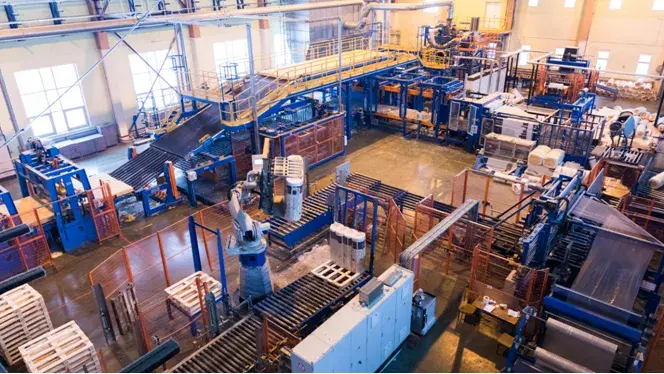
    Overhead view of a paper factory with machinery and conveyors, highlighting the use of predictive maintenance.

    The pulp and paper industry has been steadily experiencing a decline in demand for graphic papers used for newsprint, printing, and writing. In a digital-first economy, paper can very well be seen as an obsolete commodity and the growth numbers of past years are nothing but strong evidence of the same. However, as some paper applications decline, others are growing. 

    Paper packaging is replacing plastics at a fast pace, while specialty paper is gaining popularity in niche markets. Resultantly, thousands of paper production units around the world are adapting their production environments to cater to this transforming demand. There’s an increased focus on optimal utilization of resources, re-integrating waste products into processes, and finding sustainable ways to ensure asset reliability. 

    Predictive maintenance can play a pivotal role in these changing industry-wide objectives, and here’s how:

    Predictive maintenance in Paper Industry

    Several rotating equipments are utilized in industrial paper production that requires continuous upkeep and availability. Any undiagnosed machine faults or failures can surmount equipment breakdown and unplanned process downtime. Not only can this mean increased production costs and an unsafe work environment, but it could also mean a disrupted supply chain and unhappy customers. 

    To manage such contingencies, most paper producers rely on preventive or scheduled maintenance, organizing planned production downtimes to carry out maintenance activities and machine part replacements. While this approach reduces the likelihood of factory floor mishaps or sudden machine breakdowns, it does nothing to reduce production downtime. The preventive maintenance approach also leads to a decrease in the remaining useful life (RUL) of assets under deployment and increases the total maintenance cost.

    This is why the paper manufacturing plants of the future are slowly but surely adopting a predictive maintenance strategy and shifting away from preventive maintenance. Predictive maintenance (PdM) is a maintenance approach that uses cloud-enabled technologies to monitor diverse assets involved in paper production in real time. 

    With predictive maintenance, maintenance managers and plant heads can proactively track machine health, estimate the maintenance needs of all deployed assets, and support maintenance decision-making.

    Benefits of Predictive Maintenance and Digital Reliability Solutions

    Predictive maintenance relies on continual monitoring of equipment conditions through sophisticated technologies that are IoT-enabled. Technologies such as infrared thermography, vibration analysis, oil analysis, and acoustic monitoring are deployed to collect equipment condition data. The data thus collected is analyzed to detect any deviation in asset performance or irregularities that are otherwise impossible to detect without sophisticated equipment.

    The adoption of PdM in paper production contributes toward digital reliability objectives and delivers the following benefits to maintenance and operation teams:

    • Maintenance activity is highly targeted in predictive maintenance and only performed when a fault or anomaly is detected. Routinely organized production downtimes and pre-emptive part replacements are not required.
    • PdM is increasingly efficient over time and reduces the labor-intensive nature of maintenance activities. Predictive maintenance is also more cost-efficient, reducing the inventory carrying burden for spare parts.
    • PdM dashboards also offer machine health insights with digital twin technology, supporting intelligent decision-making for maintenance planning and procurement of machine parts. Consequently, the net cost of assets is effectively reduced as the complete useful life of every machine is utilized before any replacement is done.
    • The likelihood of unplanned reactive maintenance is reduced by 70-90% with a predictive approach. Since equipment faults are diagnosed well before the actual functional failure, organized maintenance events can help avoid process disruption and reactive efforts.
    • Critical equipment problems and underlying causes of diminishing productivity can be accurately identified with predictive maintenance. As a result, a higher network system reliability can be achieved in a cost-efficient manner.

    Critical PdM Applications in Paper Industry

    Given the numerous benefits of predictive maintenance, its adoption across the paper and pulp industry seems only natural. But with cost optimization as an important driving force for all strategic planning within the sector, it’s important to identify the critical applications of predictive maintenance and plan a systematic adoption.

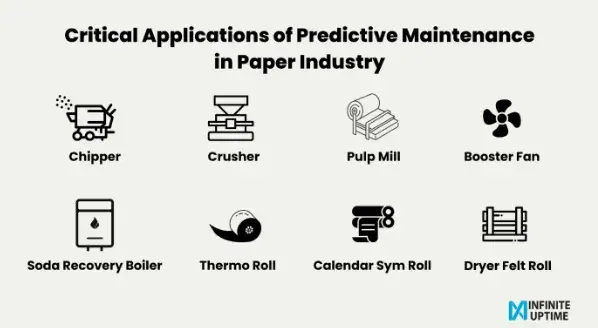
    The following equipment and machine groups that play a significant role in the paper production process are the most important applications of predictive maintenance solutions in the paper industry:

    Several machine groups utilized in paper production have a complex design, making manual monitoring and intervention difficult. Therefore, for each equipment application, the digitization points need to be carefully identified and validated for condition monitoring. With real-time vibration monitoring and predictive analytics, commonly occurring faults can be proactively diagnosed, such as:

    • Misalignment
    • Unbalance
    • Bearing faults
    • Structural Looseness
    • Gear Defects
    • Friction (lack of lubrication)

    The maintenance teams can then organize OEM inspections on focused locations and fix or replace machine components that are suffering from a particular fault. The resultant reduction in unplanned downtime and improved machine health can translate into a stronger bottom line and help paper manufacturers develop a true competitive advantage.

    Final Thoughts

    In conclusion, for the paper industry, automation and digitization initiatives have to be driven by the ultimate objective of achieving better cost efficiencies and operational excellence. Predictive maintenance can significantly reduce production and maintenance costs and improve process hygiene across any paper production unit. 

    With real-time data analytics and access to intelligent insights about machine conditions, PdM can empower maintenance and operation teams more than ever. This is precisely why; global paper manufacturers are adopting predictive maintenance solutions for making their plants more reliable and efficient. 

    Infinite Uptime’s digital reliability solutions suit specific industry needs and provide advanced analytics to support maintenance and minimize unplanned downtime. 

    Get in touch with our experts or book a demo now to understand how our solutions fit your plant.

    FAQs


    Why is the paper industry adopting Predictive Maintenance (PdM) over traditional approaches?
    The paper industry is shifting to Predictive Maintenance because it allows for real-time monitoring of equipment using IoT-enabled technologies like vibration analysis and thermal imaging. This proactive approach helps detect potential failures before they occur, minimizing downtime and reducing maintenance costs compared to reactive or preventive maintenance.


    What are the key benefits of implementing Predictive Maintenance in paper manufacturing?
    Predictive Maintenance optimizes maintenance activities by focusing on actual equipment health rather than scheduled interventions. This leads to reduced downtime, lower operational costs, extended asset lifespan, and improved overall productivity. Additionally, it enhances safety by preventing unexpected equipment failures.


    How does Predictive Maintenance contribute to sustainability in the paper industry?
    By minimizing unplanned downtime and optimizing resource utilization, Predictive Maintenance supports sustainable practices in paper manufacturing. It helps in reducing energy consumption, optimizing material usage, and ensuring efficient production processes, which are critical for meeting environmental goals.


    What role does digital twin technology play in Predictive Maintenance for the paper industry?
    Digital twin technology creates virtual models of physical assets and processes. In Predictive Maintenance, these digital twins simulate real-time equipment conditions and performance. By analyzing data from these models, maintenance decisions become more accurate and timely, optimizing operational efficiency and reliability.


    Which equipment types in the paper industry benefit most from Predictive Maintenance solutions?
    Critical equipment such as rollers, turbines, pumps, and conveyor systems in paper production benefit significantly from Predictive Maintenance. These machines often operate under harsh conditions and require continuous monitoring to detect faults like misalignment, bearing defects, or structural issues before they escalate.


    How does Predictive Maintenance help paper manufacturers achieve competitive advantage?
    Predictive Maintenance enables paper manufacturers to improve their production efficiency, reduce costs, and enhance product quality consistently. By minimizing downtime and maximizing equipment uptime, manufacturers can meet customer demands more effectively and maintain a competitive edge in the market.

  • Decoding plant reliability in manufacturing and a process to reach there.

    Decoding plant reliability in manufacturing and a process to reach there.

    Decoding plant reliability in manufacturing and a process to reach there

    Two engineers in hard hats and safety vests reviewing a blueprint and pointing toward large industrial machinery at a plant site.

    Process manufacturers typically operate in data-rich environments and know their plants inside out. While they know their assets and how their resources are deployed, they are often unaware of factors contributing to optimal asset performance. Even if this information exists within the manufacturing ecosystem, the plant maintenance and operational heads don’t really know how to use it to achieve optimum plant productivity.


    Studies reveal that frequent downtimes at process manufacturing plants can result in nearly $15000 per hour of lost revenue. Digitalization of the maintenance process and proactive asset performance management directly contribute to saving this cost. Prioritizing plant reliability becomes the only way to improve overall operations and mitigate unplanned downtimes.


    But what is plant reliability, and what processes need to be institutionalized to achieve it? In this article, we will discuss what reliability means for manufacturing and lay out a six-step process to devise a plant reliability strategy for a manufacturing plant effectively.

    What is Plant Reliability, and how can you measure it?

    Any reliable system accounts for its safety and trustworthiness while ensuring minimal maintenance costs. For plant assets, reliability can depend on performance, condition, maintenance needs, and availability. An asset reliability check can be done based on factors like frequency of maintenance or repair costs, number of malfunctions, unexpected downtimes, and more.

    Keeping plant’s maintenance up to the mark ensures that assets run 24/7 with fewer interruptions or unexpected delays due to frequent maintenance incidents. This leads to faster go-to-market, better output quality, employee productivity, and significantly lower operational costs or costs per unit.Plant reliability in production can be quantitatively measured using the Overall Equipment Effectiveness (OEE). A popular metric for measuring manufacturing productivity, OEE factors in a product of availability (number of downtimes/uptime), performance (speed or run time of your processes), and quality (number of defects).An OEE score of 100% indicates a completely reliable, dependable, and high-quality plant with maximum productivity. Therefore, calculating OEE and securing a top score should be part of your asset management’s best practices.

    Six steps to creating an effective reliability plan at your plant

    Every successful plan consists of a set of clear and executable steps. And the same principle applies to achieving top-notch plant reliability as well. Without a clear, planned route, it can be hard for you to envision your end goal – optimum plant and asset reliability management. Here are the six actionable steps that are essential to executing your plan successfully:

    1. Building the right team

    The right team can make or break reliability goals- from top to bottom.

    Effective leadership, skilled personnel, and onsite-plant operations team must be aligned with accomplishing plant reliability goals.

    Achieving reliability is a team effort and a continuous improvement process. Designated team champions have to be distributed within Operations, Maintenance, and Engineering along with sufficient alignment around their common goals & individual targets. This way, every individual is well aware of their role in constantly improving the plant and understands their dependencies on the other teams. There has to be also a Reliability Leader who helps drive this initiative

    2. Creating the right mindset for reliability

    For a successful plan, having the right mindset for asset reliability is as important as relevant skills, processes & technical understanding.

    Since achieving reliability requires continuous effort, you can try to define your target numerically & align every department’s target accordingly. This target & its deadline needs to be agreed upon by each department-operations, maintenance, engineering, and the subsequent KPIs that befall them individually.

    It is critical that all teams uphold this goal as their guiding principle and implement it through individual responsibilities every day.

     3. Adapting Predictive Maintenance (PdM) approach

    Plant reliability is also heavily dependent on asset health & reliability. The approach towards asset reliability is centered around the plant maintenance methodology chosen.

    An advanced framework like predictive maintenance alongside numerous assets and operations can speed up the process of obtaining plant reliability. By proactively anticipating flaws or anomalies within the plant and addressing them, reliability objectives can be progressively achieved.

    And when you proactively work towards fixing them, you can see your maintenance costs and the dreaded plant downtimes plummet instantly. Also, by understanding what caused these failures, your teams can work towards optimizing their maintenance strategy in the future.

     4. Having a best practices checklist for assured equipment reliability

    It is not enough to be proactive at one time; it has to become a process for excellence in reliability. For this, rigorous observation of what worked needs to be executed..

    Best practices for different plant segments and units can be documented for standardized records and accessibility. Mainly for equipment reliability which requires defined steps, having a list of executables becomes highly essential. These practices are initially set for a particular type of machine in a plant -like a gearbox which can be applied for gearboxes across multiple plants for the same organization to benefit from learnings.

    This can help your team focus on improving reliability at the plant, bit by bit, and avoid recurring mistakes alongside employing PdM.

     5. Prioritizing critical assets first

    Your plant might have critical equipment that causes the most impact – both financially and operationally when down, like a kiln in a cement plant.

    So to reduce this unpredictable impact, you can prioritize these assets and implement a model like Predictive Maintenance to fix issues on priority beforehand. Predictive Maintenance can also improve equipment reliability as it works toward assuring asset performance and health around-the-clock through continuous evaluation.

     6. Assessing your Reliability plan’s progress

    Using your goals & best practices checklist, perform regular audits to check for any shortcomings. Organize audits as frequently as monthly or quarterly, based on your process durations. Check if your charted reliability program progress is aligned with your monthly/quarterly goals.

    Continuous improvement requires continuous learning too. Make a detailed implementation plan with clear-cut steps for each task for every department involved and skill improvement and tool usage training at periodic intervals. Skills like vibration monitoring.

    This practice keeps your plant and teams’ performance in constant check. Also, assessing highlights hidden improvement areas that may be hindering your plant’s reliability.

     Conclusion:

    A well-articulated plant reliability plan and set targets can be the driving force towards rapidly fulfilling your reliability goals. Since consistency is key to realizing this goal, it requires a combined proactive effort from leadership, stakeholders, and staff. 

    At Infinite Uptime, we provide cutting-edge solutions to implement predictive maintenance programs, seamlessly improving your plant’s reliability. With plant reliability, we help manufacturers across the globe see faster results by significantly improving plant efficiency, fewer downtimes, and better quality using predictive maintenance.

    Want to achieve faster plant reliability?

    Get in touch with us today to schedule a free demo!

    FAQs


    What is plant reliability in manufacturing, and why is it crucial?

    Plant reliability in manufacturing refers to the ability of production assets to consistently perform their intended function without unplanned downtime or failure. It is crucial because it directly impacts productivity, quality, and operational costs by ensuring continuous operation and minimizing disruptions.


    How can plant reliability be measured in manufacturing settings?

    Plant reliability can be measured using metrics like Overall Equipment Effectiveness (OEE). OEE factors in availability, performance efficiency, and quality to provide a comprehensive view of how well assets are performing. A higher OEE score indicates better reliability and operational efficiency.


    What are the key steps to developing an effective plant reliability strategy

    Developing a plant reliability strategy involves:

    • Building the right team with aligned goals and responsibilities.
    • Creating a reliability-focused mindset across all departments.
    • Adopting Predictive Maintenance (PdM) to proactively manage asset health.
    • Implementing best practices for equipment reliability.
    • Prioritizing critical assets for maintenance interventions.
    • Regularly assessing and auditing the reliability plan’s progress to identify areas for improvement.


    Why is Predictive Maintenance (PdM) crucial for achieving plant reliability?

    Predictive Maintenance uses data analytics and IoT to predict equipment failures before they occur. By proactively addressing issues, PdM reduces unplanned downtime, lowers maintenance costs, and enhances overall asset performance and reliability in manufacturing plants.


    How does a focus on plant reliability impact overall manufacturing operations?

    A strong focus on plant reliability improves manufacturing operations by ensuring continuous production, maintaining consistent product quality, enhancing worker productivity, and reducing operational costs associated with maintenance and downtime.


    What are the benefits of implementing a robust plant reliability strategy?

    Implementing a robust plant reliability strategy leads to improved operational efficiency, increased equipment lifespan, reduced maintenance costs, enhanced safety, and better overall profitability for manufacturing plants. It also supports long-term sustainability and competitiveness in the market.

  • Why the move from condition monitoring to predictive maintenance is the next big thing in the cement industry

    Why the move from condition monitoring to predictive maintenance is the next big thing in the cement industry

    Why the move from condition monitoring to predictive maintenance is the next big thing in the cement industry?


    The increasing urbanization in the world has consistently put demand pressure on the cement industry. Consequently, the industry has streamlined its operations from time to time and focused on high-quality throughput. Fortune Insights report says the global cement market will grow from $326.80 billion in 2021 to $458.64 billion in 2028, a steep 5.1% globally. Keeping pace with the rising demand and changing market scenario, digital transformation in the cement industry for efficient operation and maintenance is an immediate requirement. 

    While condition-based monitoring has seen wide adoption to support digital transformation initiatives in cement manufacturing, predictive maintenance is shaping to be the next big thing. With plant reliability objectives and operational excellence goals on the line, this shift must happen. In this article, we will compare both technologies and deliberate on why this evolution is necessary for cement manufacturers.

    Condition-based Monitoring (CBM) in the
    Cement Industry

    In the cement industry, machinery works under challenging conditions- with fume, gases, dust, and high temperatures. The continuous nature of the cement manufacturing process also ensures that halts in production cannot be without a substantial reason. Thus, routine manual check-ups are sometimes impossible

    Asset Maintenance in cement plants is today being practiced using condition monitoring technology. Condition monitoring gives real-time machine working conditions via alerts and allows the maintenance team to take action when the problem is detected. In the cement industry, CBM performs vibration analysis of rotating equipment, oil, grease analysis, thickness measurement of kiln shell and chimney ducting, etc., to examine the assets’ health.

    Predictive Maintenance (PdM) in the
    Cement Industry

    The highly competitive & quality-focused requirement of cement plants today means that condition monitoring falls short in many aspects. This gives rise to Predictive Maintenance: a proactive approach to maintenance that uses IoT and machine learning to predict impending machine failure.

    Predictive Maintenance solutions consist of hundreds of strategically placed sensors that record data and send it to a central IoT platform. The IoT platform monitors and analyses any anomalies and notifies the plant manager of the equipment’s life. This is a more advanced form of cement plant equipment condition monitoring, providing deeper insights and foresight into machinery health.

    The Need to Move from CBM to Predictive Maintenance in the Cement Industry

    1) Condition-based Monitoring technology monitors the real-time condition of the machine and shows warnings when an anomaly happens. While this means it is better than the time-based & reactive maintenance approaches, it still can cause downtimes & in some cases, need repair & spare part costs. Predictive Maintenance technology, on the other hand, predicts the imminent machine failure before it takes place and saves from unplanned downtimes.

    2) Condition Monitoring provides on-site engineers with data parameters that are often difficult to interpret in isolation. This means they need their subject matter experts to analyse these first before taking the right actions. By comparison, Predictive Maintenance gives insights behind the data around a machine anomaly, with the why of a particular machine behaviour & recommended actions for mitigation. This means faster decision-making by the on-site team without bothering SMEs for every minor glitch.

    3)  Also, CBM technology warns of trivial anomalies that lead to excessive maintenance in cement plants, which leads to unnecessary maintenance and a loss in productivity & efficiency.

    Predictive maintenance monitors the real-time condition of the equipment. It predicts faults with potential repercussions, ensuring maintenance activities are performed precisely where they are needed & only when they are required.
    Thus, using PdM over CBM makes maintenance in cement plants more efficient and hassle-free.

    Significance of Predictive Maintenance in the Cement Industry

    First-generation machinery that is decades old is still being used in cement manufacturing. Due to rough operating conditions & continuous running, machines are more susceptible to breakdowns resulting in downtimes. These unplanned downtimes hamper the production quality, reduce profits and create unsafe working environments in the plant.

    Predictive maintenance in cement manufacturing resolves these frequent maintenance issues by foretelling the machine failures with least or no human inspection. It enhances the visibility of machine health throughout the plant, enhancing proactive decision-making. 

    Predictive maintenance is essential in the cement industry because
    • It helps lengthen the life & performance of older machines.
    • It reduces repair & spare part costs due to proactive maintenance.
    • It reduces the frequent planned & unplanned downtimes, which results in a better quality of cement and consistent production.
    • It reduces the chances of any safety hazards caused due to machine malfunction.
    • It saves a lot of time and costs, which otherwise would go into maintenance.
    • It leads to better worker productivity & overall plant efficiency.
    Why Predictive Maintenance is the Future of Cement Manufacturing?

    A sustainable future of high-quality output, a productive workforce & reliable machinery can be achieved by the digital transformation in the cement industry. As the cement industry is getting ready for a global inflection, environmental & regulatory compliances are expected. Green cement manufacturing will soon become necessary to save the environment and resources.

    The rise in the requirement for green cement will necessitate a lean and highly efficient operating style and long-term bottom-line growth. Amidst all developments, predictive maintenance solutions will remain a significant value driver in the shifting roadmaps for obtaining a competitive advantage in this market, enabling better results for workers, customers, management & overall ecosystem.

    Conclusion:

    Machines in the cement industry work in harsh conditions and, thus, are more prone to breakdowns. A proactive approach to maintenance would be beneficial for plant productivity. Predictive maintenance is preferred over condition-based monitoring systems as it can predict the problem before it happens. In contrast, CBM can only monitor real-time equipment conditions and can’t predict future anomalies.

    Also, CBM is less accurate, while PdM is proved more accurate over time by learning through machine learning technology using historical and real-time data. Predictive maintenance technologies will surely lead the future of maintenance in cement plants.

    At Infinite Uptime, we strive to transform the industrial health diagnostics space, particularly for process-driven industries like the Cement industry. We offer predictive maintenance solutions enabled with machine learning and IIoT technology that companies combat downtime, lapses in quality, productivity & OEE. Our solutions are built to enhance cement plant equipment condition monitoring and ensure optimal performance across the board. 

    Want to know how we helped the largest cement manufacturer in India? – click here.

    FAQs


    What is the difference between Condition-based Monitoring (CBM) and Predictive Maintenance (PdM) in the cement industry?
    Condition-based Monitoring (CBM) provides real-time data on equipment conditions and alerts when anomalies occur, allowing for reactive maintenance. In contrast, Predictive Maintenance (PdM) uses IoT and machine learning to predict failures before they happen, enabling proactive maintenance to avoid unplanned downtime and reduce costs.


    Why is Predictive Maintenance considered superior to Condition-based Monitoring for cement plants?
    Predictive Maintenance goes beyond CBM by not only monitoring current conditions but also predicting future failures based on data analytics. This proactive approach helps cement plants schedule maintenance more efficiently, reduce downtime, lower repair costs, and improve overall operational efficiency.


    What are the key benefits of adopting Predictive Maintenance in the cement industry?
    Predictive Maintenance helps cement manufacturers by extending the lifespan of aging machinery, reducing repair and spare part costs, minimizing unplanned downtime, ensuring consistent production quality, enhancing worker safety, and optimizing overall plant efficiency.


    How does Predictive Maintenance improve decision-making in cement plants compared to Condition-based Monitoring?
    Predictive Maintenance provides detailed insights into machine behavior and performance anomalies, along with recommended actions. This empowers on-site maintenance teams to make informed decisions quickly without always relying on specialized experts, thereby streamlining operations.


    What challenges does Predictive Maintenance address that Condition-based Monitoring cannot in cement manufacturing?
    Predictive Maintenance addresses the limitations of CBM by accurately predicting potential equipment failures, reducing unnecessary maintenance interventions, optimizing resource allocation, and mitigating safety hazards caused by unexpected breakdowns.


    Why is Predictive Maintenance considered essential for the future of cement manufacturing?
    Predictive Maintenance is crucial for cement manufacturing’s future because it supports sustainability initiatives, enhances operational efficiency, meets regulatory compliance, reduces environmental impact, and supports the shift towards producing high-quality, green cement.

  • Optimizing machine health with Condition Monitoring

    Optimizing machine health with Condition Monitoring

    What is Machine Health Monitoring? Optimize Your Machine Health with Online Condition Monitoring

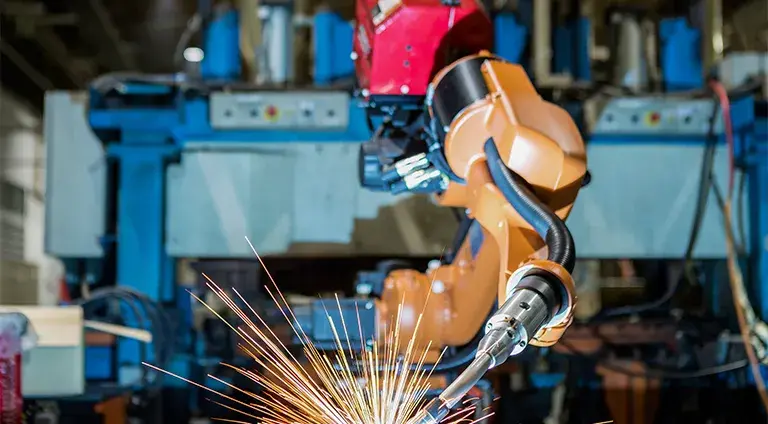
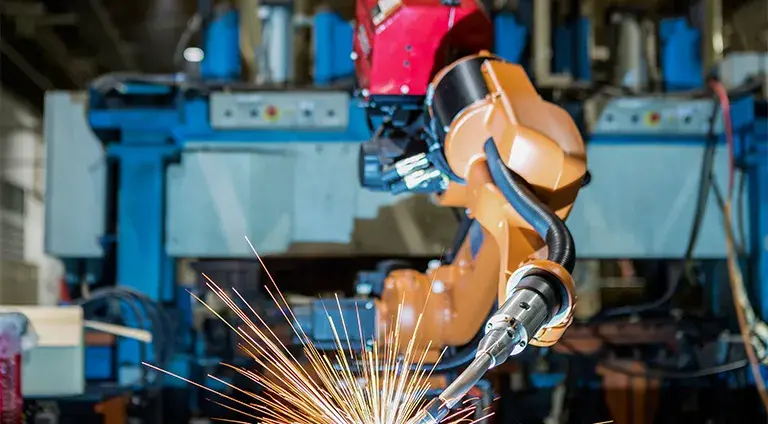
    An orange industrial robotic arm performs precise welding, with bright sparks flying from the point of contact in a factory setting.

    Industry 4.0 aims to bring operational excellence by introducing the Industrial Internet of Things (IIoT) to the industries and factories. It allows machine health monitoring using IIoT, streamlining the process and increasing efficiency. In this blog, we’ll share why IIoT machine monitoring is useful and how it can help you?

    What is Machine Health Monitoring?

    Machine Health Monitoring refers to the use of advanced technologies, particularly the Industrial Internet of Things (IIoT), to continuously monitor the condition and performance of machinery in real-time. This process involves collecting and analyzing data from various sensors and equipment to identify potential issues, predict failures, and optimize maintenance strategies. By leveraging a machine health monitoring system, predictive maintenance strategies can be applied to schedule maintenance activities just before a failure is likely to occur. This not only minimizes unplanned downtime but also reduces maintenance costs and extends the lifespan of equipment. Real-time machine health monitoring thus plays a crucial role in maintaining operational efficiency and reliability.

    Importance of Machine Health Monitoring in the Industrial 4.0 Era

    Despite applying the best reactive and preventative maintenance strategies, industries lose a lot of money & time because of unplanned downtime, machine failures, and wasted maintenance cycles. Unplanned downtime decreases plant productivity and hinders the supply chain. To overcome this, plants need to adopt Condition Monitoring technologies. IIoT machine monitoring offers real-time insights to assist maintenance teams in making better decisions, enhancing the machine’s efficiency and extending its lifetime. IIoT plays a vital role in enabling plant reliability by:

    1. Providing robust connectivity across the plant
    2. Catering to the growing shortage of plant workers.
    3. Helping in planning and scheduling maintenance strategies.
    4. Bringing more profit against its initial implementation cost.

    It also creates a safer working environment for plant workers by reducing the chances of machine failures.

    What is Condition Monitoring?

    Condition Monitoring is the foundation of predictive maintenance, using sensor data and analytics to evaluate the health of rotating equipment, pumps, motors, compressors, fans, gearboxes, and other critical assets. It enables maintenance teams to detect anomalies early and take corrective action before failures impact production. 

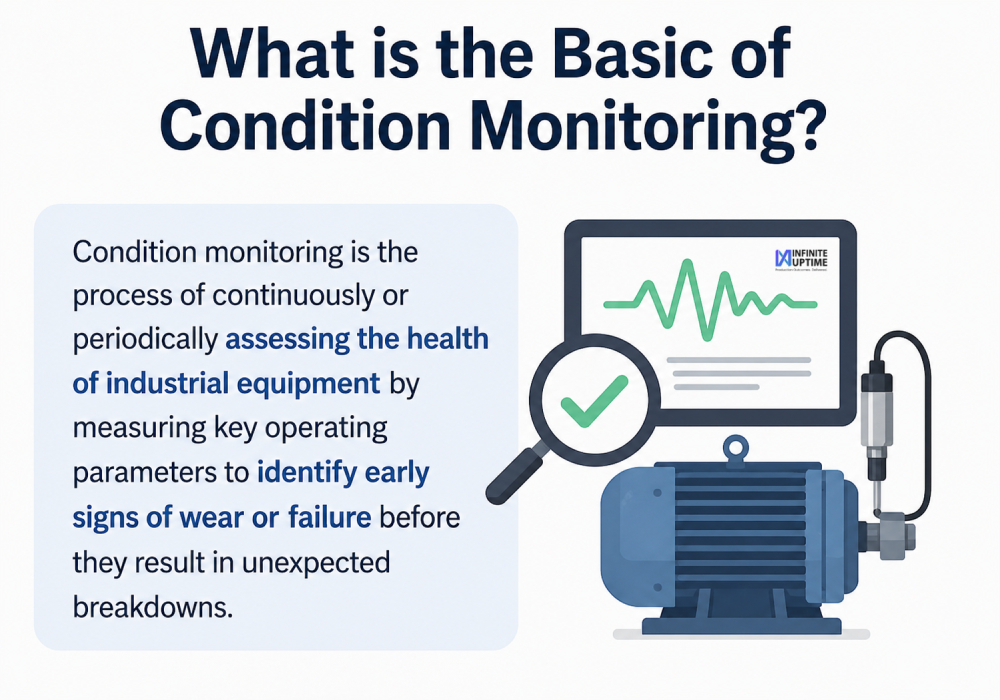
    What is the basic of condition monitoring?

    Condition monitoring is the process of continuously or periodically assessing the health of industrial equipment by measuring operating parameters such as vibration, temperature, pressure, lubrication quality, ultrasonic signals, and electrical characteristics. The objective is to identify early signs of wear or failure before they result in unexpected breakdowns.


    Unlike reactive maintenance, condition monitoring relies on real-time equipment data to help maintenance teams make informed decisions, reduce downtime, and improve asset reliability.

    Why is condition monitoring important?

    key benefits of condition monitoring

    Condition monitoring is important because it helps industries detect equipment problems before they become major failures. By identifying abnormal machine behavior early, maintenance teams can schedule repairs during planned shutdowns instead of responding to unexpected breakdowns.


    Some key benefits include:

    • Reduces unplanned downtime
    • Extends equipment life
    • Lowers maintenance costs
    • Improves plant reliability
    • Enhances worker safety
    • Increases Overall Equipment Effectiveness (OEE)
    • Supports predictive maintenance strategies
    • Improves production quality

    For industries such as manufacturing, power, cement, steel, pharmaceuticals, and food processing, condition monitoring is essential for maximizing equipment availability and operational efficiency.


    What are the types of condition monitoring?

    Several condition monitoring techniques are used depending on the type of equipment and operating environment.


    Condition Monitoring Type Purpose
    Vibration Monitoring Detects bearing wear, imbalance, misalignment, and mechanical faults in rotating equipment.
    Temperature Monitoring Identifies overheating in motors, bearings, electrical panels, and gearboxes.
    Oil Analysis Detects contamination, lubricant degradation, and internal component wear.
    Ultrasonic Monitoring Identifies compressed air leaks, steam leaks, electrical discharge, and early bearing defects.
    Thermography (Infrared) Detects hot spots in electrical systems and mechanical equipment.
    Motor Current Analysis (MCSA) Monitors motor health and identifies electrical faults.
    Acoustic Emission Monitoring Detects crack formation, friction, and lubrication problems.
    Online Condition Monitoring Continuously monitors machine health in real time using IIoT sensors and AI analytics.

    Modern IIoT-based platforms often combine several of these techniques to provide a complete view of machine health.


    What is the ISO standard for condition monitoring?

    The most widely recognized international standard for condition monitoring is ISO 17359, which provides guidelines for implementing condition monitoring and diagnostics of industrial machines.


    Other important standards include:

    • ISO 13374 – Condition monitoring data processing and communication
    • ISO 13379 – Data interpretation and diagnostics
    • ISO 20816 – Evaluation of machine vibration
    • ISO 18436 – Certification requirements for condition monitoring professionals

    Following these ISO standards helps organizations establish reliable maintenance practices, improve asset performance, and comply with international best practices.


    What is remote condition monitoring?

    Remote condition monitoring is the process of monitoring industrial equipment from any location using IIoT sensors, cloud platforms, and advanced analytics.


    Instead of requiring maintenance personnel to physically inspect every machine, sensor data is transmitted securely to a centralized dashboard where engineers can monitor machine health, receive alerts, analyze trends, and make maintenance decisions remotely.


    Remote condition monitoring enables organizations to:

    • Monitor multiple plants from one location
    • Detect failures in real time
    • Reduce manual inspections
    • Improve maintenance planning
    • Lower maintenance costs
    • Increase equipment uptime
    • Support predictive and prescriptive maintenance strategies

    It is widely adopted across manufacturing, mining, cement, steel, pharmaceuticals, oil & gas, food processing, and other asset-intensive industries.


    What is Online Condition Monitoring ?

    Online Condition Monitoring, in the context of predictive maintenance, refers to the continuous observation of equipment health using real-time data collected through sensors. This approach enables organizations to track performance metrics like vibration, temperature, and sound, allowing for the early detection of anomalies that may indicate potential failures. By analyzing this data, predictive maintenance strategies can be employed to schedule maintenance activities just before a failure is likely to occur, thereby minimizing unplanned downtime, reducing maintenance costs, and extending the lifespan of equipment.

    Benefits of Machine Health Monitoring using IIoT

    Improvement in the overall efficiency of manufacturing

    IIoT machine monitoring machinery considerably increases the overall plant efficiency. It increases the cost efficiency by cutting unnecessary maintenance and decreasing unplanned downtime. Unplanned downtime constitutes a 40-50% loss in efficiency. Condition monitoring predicts the impending failures and helps in curing them beforehand. Real-time monitoring and required maintenance of all the plant assets enhance the plant’s productivity and sustain it. It also extends the plant equipment’s lifetime, saving many costs that otherwise would go in vain.


    Considerable Reduction in Waste

    IIoT machine monitoring can help industries in waste management. Defective items are the most significant manufacturing waste from plants. Trivial machine malfunctions often get ignored, which causes the production of defective items or sub-par output quality. It costs money, resources, and man-hours. Also, starting up after unplanned downtimes produces unprocessed/semi-processed goods, further increasing the overall plant waste. IIoT machine monitoring can eliminate this waste by foretelling the possible threats.

    Intelligent adoption of IIoT-enabled solutions also reduces the burden of excessive maintenance, lubrication, and spare parts waste. Assessing and predicting machine failures saves time and resources, which would otherwise go to waste.


    Improved communication & decision making

    Machine health monitoring using IIoT improves communication by providing 360-degree visibility of manufacturing operations to all the right people. Advanced solutions connect plant equipment to a manager, manager to the operator, and operator to operator effectively, reducing the chances of delayed communication.

    Providing the right & timely information across the plant boosts the plant productivity multiple folds. Usually, a lot of time gets wasted in planning and scheduling maintenance strategies. IoT-based machine health monitoring systems capture the fault and track down the root cause to advise you on the best approach to tackle it.


    Real-time Data Collection, Analysis, and Alerts

    IIoT-based condition monitoring systems collect real-time data from all the machinery and analyse and assess them according to the recommended performance levels. If the machine health fails to meet the set parameters, the platform immediately alerts the maintenance manager and conveys the problems with the recommendations to take care of it.

    The sensors record data from various equipment to perform vibration analysis, oil analysis, temperature analysis, and other relevant analyses. After analyzing, if it detects any issue, it quickly notifies the possible reasons. For example, the reports may suggest engine erosion if higher than usual iron content is found in the oil analysis. On the other hand, if a higher range of a combination of iron, Aluminium, and chrome is found, it may signal the upper cylinder wear. The maintenance manager can then take immediate action on this.

    How Online Condition Monitoring Works

    • Data Collection: Sensors are strategically placed on equipment to measure key performance indicators. These sensors continuously gather data, which is then transmitted to a central monitoring system.
    • Real-Time Analysis: The collected data is analyzed in real-time using sophisticated algorithms and machine learning models. This analysis helps in identifying patterns and detecting anomalies that could indicate potential failures.
    • Alert System: When the system detects an anomaly or a deviation from normal conditions, it generates alerts or notifications. These alerts enable maintenance teams to address issues before they escalate into costly failures.
    • Predictive Maintenance: By utilizing predictive analytics, Online Condition Monitoring allows for the scheduling of maintenance activities just before a failure is likely to occur. This approach reduces unplanned downtime and helps in optimizing maintenance resources.

    Conclusion

    Even the best reactive and preventative maintenance strategies couldn’t do justice to the cost and productivity. So, industrial revolution 4.0 brings advanced machine health monitoring using IIoT technology to address production and maintenance issues. The technology gained its importance by tackling day-to-day problems in various industries. It benefits industries by reducing plant wastes, collecting and analyzing real-time data, streamlining communication, and increasing overall plant reliability.


    At Infinite Uptime, we have pledged to transform the industrial health diagnostics space. Thus, we offer IIoT-based machine health monitoring solutions for process plants like yours. Our intelligent solutions easily integrate into the plant using AI and machine learning and help tap your plant’s peak efficiency.

    FAQs


    What is Machine Health Monitoring?

    Machine Health Monitoring refers to the continuous process of tracking machinery performance using Industrial Internet of Things (IIoT) technologies. It collects and analyzes sensor data in real-time to detect potential faults, predict failures, and optimize maintenance schedules—minimizing downtime and extending equipment lifespan.


    What is Online Condition Monitoring?

    Online Condition Monitoring involves real-time data collection from machinery through connected sensors. It continuously tracks parameters like vibration, temperature, and sound to detect early signs of equipment failure, enabling predictive maintenance and reducing costly breakdowns.


    Why is machine health monitoring crucial in the context of Industry 4.0?

    Machine health monitoring using IIoT is vital in Industry 4.0 because it helps minimize unplanned downtime, reduces maintenance costs, and enhances overall plant efficiency. By providing real-time insights and predictive analytics, it allows for proactive maintenance, thus optimizing operations and increasing profitability.


    What are the key benefits of adopting IIoT-based machine health monitoring in industrial plants?

    IIoT-based machine health monitoring improves manufacturing efficiency by reducing unplanned downtime (which can lead to 40-50% efficiency loss), extending equipment life, and optimizing maintenance schedules. It also enhances workplace safety by preemptively addressing potential machine failures.


    How does IIoT-enabled condition monitoring help in reducing waste in manufacturing plants?

    IIoT machine monitoring minimizes waste by predicting and preventing machine malfunctions that can lead to defective products or sub-par output quality. It optimizes maintenance practices, reduces unnecessary lubrication and spare parts usage, and improves overall resource utilization.


    What role does real-time data collection and analysis play in IIoT machine health monitoring?

    Real-time data collection through IIoT sensors allows for continuous monitoring of machine performance metrics such as vibration, oil quality, and temperature. Analysis of this data helps identify anomalies and potential failures early, triggering alerts for proactive maintenance actions.


    How does IIoT enhance communication and decision-making across industrial plants?

    IIoT-based machine health monitoring systems facilitate improved communication by providing comprehensive visibility into manufacturing operations. This connectivity ensures timely information flow between operators, managers, and maintenance teams, enhancing operational efficiency and reducing response times.


    What are the primary advantages of adopting IIoT-driven condition monitoring systems over traditional maintenance approaches?

    IIoT-driven systems offer significant advantages over traditional reactive and preventive maintenance approaches by enabling predictive maintenance. They optimize maintenance strategies, reduce costs associated with downtime and repairs, and support data-driven decision-making for better operational outcomes.