Why 95% of GenAI Projects Failed and How Prescriptive AI and the 99% Trust Loop Are Changing Manufacturing
In 2025, MIT reported that 95% of GenAI projects failed to move beyond pilot stages, an industry-wide sign that insight alone isn’t enough. Manufacturers now need AI systems that drive confident, validated decisions at scale. This article explores how PlantOS™ creates the 99% Trust Loop to deliver operator-validated outcomes with 99.97% prediction accuracy, 99% prescriptions acted on, and up to 40X ROI, marking a pivotal shift toward prescriptive, action-driven AI in manufacturing.
Key Takeaways
01 95% of GenAI projects failed in 2025 (MIT), driving manufacturers toward prescriptive, decision-focused AI.
02 PlantOS™ creates the 99% Trust Loop that delivers user-validated outcomes with 99.97% prediction accuracy and 99% prescriptions acted on.
03 The shift from dashboards to prescriptive AI helps teams move from data visibility to confident, action-driven decision-making.
04
The 99% Trust Loop strengthens trust by validating every action at the machine level, improving reliability and reducing downtime.
05 Plants using PlantOS™ achieve up to 40X ROI, 115,704 validated hours of downtime avoided, and measurable improvements in throughput and energy efficiency.
In 2025, MIT reported a stunning figure: 95% of GenAI projects failed to reach real production environments. Despite major investment, most systems never moved beyond pilots or proofs of concept. The issue was not lack of potential. The issue was lack of action.
GenAI generated insights, summaries, and predictions. But on the shop floor, what manufacturers needed was decisions.
Heavy industry operates in a world where every minute of downtime carries financial and safety implications. Dashboards and suggestions are helpful, but they rarely provide the clarity required to make confident operational decisions. Teams need to know what to do right now, why it matters, and what outcome it will produce.
This is where the industry is shifting. Not toward more predictive or generative systems, but toward prescriptive AI. And not toward assumed outcomes, but toward operator-validated truth.
The Move to Prescriptive, Action-Driven AI
Prescriptive AI goes beyond forecasting. It recommends a specific action and explains the reasoning behind it.
For industrial operators, this distinction is critical. The value lies not in the prediction itself but in the moment a technician decides whether to stop a machine, adjust equipment, or replace a component. GenAI could not bridge that gap. Prescriptive AI does, because it is designed to support human decision makers, not replace them.
The Rise of Operator-Validated Outcomes
After years of experimenting with siloed pilots, one lesson has become clear: AI only works when operators trust it.
Infinite Uptime’s answer is the 99% Trust Loop, a closed-loop feedback system where Prediction, Prescription, and User-Validated Outcomes feed into one another to create a continuous engine of improvement and operator confidence. Instead of stopping at insights or dashboards, the 99% Trust Loop routes every recommendation through the expertise of the people closest to the equipment and verifies the impact at the machine level. The loop connects four stages:
Prediction: High-accuracy detection of early signals
Prescription: Clear recommendations detailing what to do, why, and when
Action: Operators perform the task with contextual guidance
Outcome Validation: The operator confirms the result, proving what worked
This final stage, often ignored in traditional systems, is where trust is built and where AI shifts from insight generator to reliability partner.
The Data Behind The 99% Trust Loop
As of November 2025, Infinite Uptime’s PlantOS™ platform has delivered:
Up to 40X ROI in production environments
99.97 percent prediction accuracy
99% prescriptions acted on
28,551 operator-validated outcomes
115,704 hours of downtime saved
Deployment across 844 plants worldwide
These are not theoretical results. They are validated by frontline teams, one outcome at a time.
Why This Matters for U.S. Manufacturing
The U.S. industrial sector is under increasing pressure. Labor shortages, aging infrastructure, rising throughput targets, and stricter reliability expectations require solutions that are practical and proven.
To succeed in this environment, AI must be explainable, reliable, fast to validate, trusted by operators, and tied directly to financial outcomes. Prescriptive AI meets those requirements. GenAI does not.
The 99% Trust Loop, grounded in operator verification, is designed for the realities of steel mills, cement kilns, tire plants, and large-scale production environments where every decision carries weight.
From Pilot Paralysis to Verified Outcomes
If 2025 marked the collapse of GenAI hype cycles in manufacturing, 2026 marks the rise of reliability-driven AI. A move from experimentation to execution. From dashboards to decisions. From insight to action. From prediction to proof.
The next era of industrial transformation is not about more data. It is about more decisions that can be trusted.
That is what the 99% Trust Loop is built to deliver.
Close the Trust Loop in Your Plant.
Join 841 plants using PlantOS™ to achieve up to 40× ROI through prescriptive, validated outcomes.
Prescriptive AI is a type of artificial intelligence that goes beyond predicting what is likely to happen by recommending what action should be taken, when it should be taken, and how it can help achieve a specific business or operational goal.
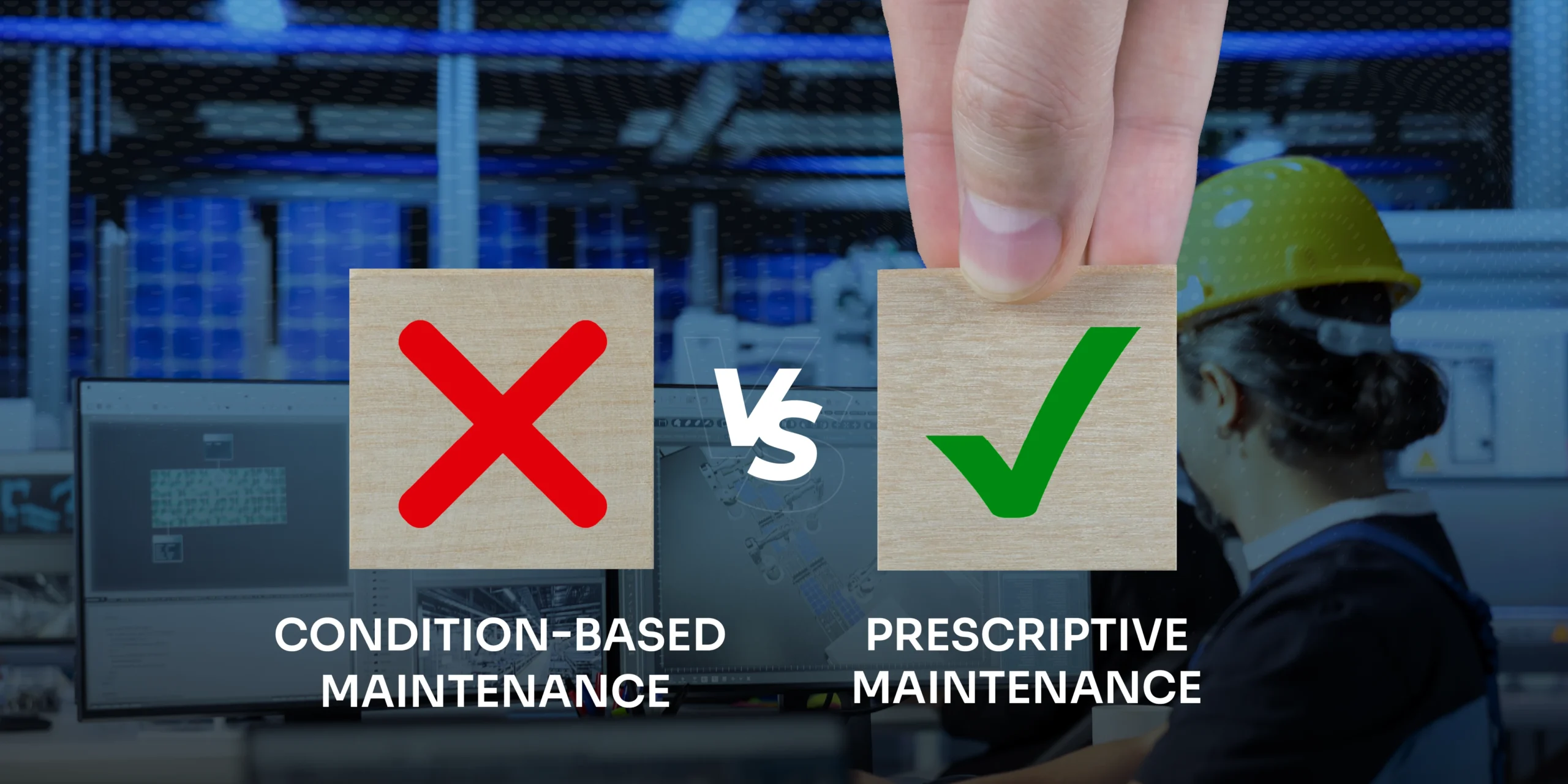
While predictive maintenance answers the question “When will a failure occur?”, prescriptive maintenance takes it further by asking, “What should I do about it?”
This evolution marks the transition from data‑driven awareness to AI‑driven actionability, where optimization becomes continuous, performance measurable, and decision-making semi‑autonomous.
What is Predictive Analytics?
Predictive analytics helps manufacturers analyze historical and real-time operational data to identify patterns, detect anomalies, and anticipate potential equipment failures before they disrupt production. By turning machine and process data into actionable insights, predictive analytics enables better maintenance planning and improved asset reliability.
What is Industrial Prescriptive AI?
Industrial prescriptive AI builds on these predictive capabilities by recommending the most appropriate actions to prevent failures, optimize equipment performance, and improve energy efficiency. It combines equipment condition data, operational context, AI-driven diagnostics, and domain expertise to help plant teams make informed, data-driven decisions
What is Prescriptive Solutions?
Prescriptive solutions translate these recommendations into practical maintenance and operational workflows, helping manufacturers prioritize interventions, reduce unplanned downtime, improve asset utilization, and optimize operational costs.
Key Takeaways –
Prescriptive AI is the future of smart manufacturing as it goes beyond just prediction to provide precise, actionable insights and recommendations.
Enabling the shift to semi-autonomous operations – Prescriptive AI transforms reactive workflows into AI-assisted decision-making, boosting uptime, safety, and operational precision.
Seamless integration of prescriptive maintenance and energy efficiency goals – continuous monitoring with prescriptive actions reduces downtime, lowers maintenance and energy costs, and improves equipment reliability.
User-Validated across diverse industries – Steel, mining, cement, paper, tire, and pharmaceutical sectors benefit from PlantOSTM’s prescriptive AI in enhancing reliability and efficiency.
Benefits of Prescriptive AI
Reduces downtime by enabling proactive, data-driven actions
Speeds up decision-making with AI-driven recommendations
Enhances asset reliability and extends equipment lifespan
Optimizes energy usage and supports sustainability goals
Improves operational efficiency through continuous optimization
Lowers operational costs by preventing failures and over-maintenance
The New Imperative – Prescriptive Maintenance and Energy Optimization
“We have collectively delivered about 40X ROI to our customers”
– Mr. Karthikeyan Natarajan, Co-CEO, Infinite Uptime,
during the 2025 industry panel discussion on the rise of Prescriptive AI decision making at the CXO Circle, Bangkok, Thailand.
In a world where operational reliability defines competitiveness, manufacturing leaders are realizing that reactive and even predictive maintenance aren’t enough. The growing complexity of modern industrial systems demands technology that doesn’t just foresee failures but prescribes precise actions to prevent them. This is where Prescriptive AI steps in as the new frontier of industrial intelligence.
At Infinite Uptime, we are reimagining plant reliability through PlantOSTM, our AI‑powered reliability platform that converges Prescriptive Maintenance and Energy Optimization to transform the way plants operate, maintain, and sustain. Across industries from cement and steel to paper, tires and pharmaceuticals Prescriptive AI isn’t tomorrow’s innovation; it’s today’s competitive advantage
How Prescriptive AI Transforms Maintenance and Energy Optimization?
Prescriptive AI is redefining how industries balance cost, productivity, and sustainability by driving operational efficiency at scale. Through its advanced sensing, diagnostic, and recommendation capabilities, it delivers measurable outcomes such as:
Elimination of unplanned downtime hours:Continuous online condition monitoring and AI-powered fault prescriptions detect and prevent anomalies before they disrupt operations.
Reduced maintenance and energy costs: Prescriptive insights automate scheduling, reduce energy wastage, and extend equipment lifecycles.
Raise equipment utilization and productivity: Through enhanced equipment reliability and process contextualization, plants achieve consistent quality, reduced variability, and more output from existing infrastructure.
Create AI-assisted digital workflows: Smart work orders integrate directly into maintenance management systems like PLC, DCS etc, fostering collaboration and traceability.
Safeguard ROI and operational safety:Fewer emergencies mean safer workplaces, long-term ROI protection, and improved human oversight efficiency.
The result is a steady shift from scheduled maintenance to intelligent, goal-based operations where every watt, hour, and decision matters.
Explore the trending theme of 2025: Watch the panel discussion on the rise of
AI-assisted decision making in industrial operationshttps://www.youtube.com/watch?v=9teSdHeVge8
How PlantOSTM Powers Prescriptive AI and Enables Semi‑Autonomous Plant Operations?
At the heart of Infinite Uptime’s transformation journey lies PlantOSTM, the world’s most user-validated Prescriptive AI platform engineered to deliver actionable prescriptions and unlock semi‑autonomous plant performance. PlantOSTM enables this transformation through a balanced three‑layered ecosystem:
Advanced Sensing and Data Acquisition: A robust foundation of MEMS and piezoelectric sensors continuously captures high‑resolution vibration, acoustic, and process data from machinery and plant conditions.
Collaborative AI: Our vertical‑trained Outcome Assistant interprets multi‑signal data through domain‑specific models to generate context‑aware prescriptive insights that go beyond prediction.
Human Intelligence Integration: A 24×7 reliability engineering support layer validates AI outcomes, ensuring every recommendation aligns with ground realities and operational goals.
“We at Vigier Cement are highly impressed by the reliability of Infinite Uptime’s product. Their technical team has been consistently proactive and responsive, available any time of day, seven days a week.”
— Mr. Christinger Robert, Head of Maintenance Mechanics & Infrastructure
The PlantOSTM prescriptive workflow unfolds systematically:
STEP: 01 Goal Setting:
Define clear reliability objectives—reduced downtime, energy optimization, or extended equipment life.
STEP: 02 Baseline:
Capture baselines using sensors and create real‑time operational fingerprints.
STEP: 03 Benchmark:
Compare live data against past performance, industry bests, or golden batch parameters.
STEP: 04 Optimize:
Enable automatic generation of prescriptive diagnostic reports highlighting anomalies, causes, and recommended actions.
STEP: 05 Collaborate:
Engage the Outcome Assistant for plant‑wide visibility—monitoring every parameter, every machine, across every plant zone—for full coverage from parameter to production line.
Through this integrated loop, PlantOSTM transforms factories into intelligent ecosystems capable of self‑diagnosis, self‑optimization, and guided decision‑making the foundation of reliable semi‑autonomous operations.
Generative AI is adding a new layer of intelligence to industrial operations by enabling engineers and operators to interact with complex plant information using natural language.
While Predictive Maintenance focuses on identifying potential equipment failures and Prescriptive AI determines the recommended action based on equipment and operational context, Generative AI helps explain, summarize, and communicate these insights in a form that is easier for plant teams to understand and use.
Predictive Maintenance vs. Generative AI vs. Prescriptive AI: What’s the Difference?
Parameter
Predictive Maintenance
Generative AI
Prescriptive AI
Primary Purpose
Predicts potential equipment failures and identifies degradation before it leads to an unplanned breakdown.
Generates explanations, summaries, reports, and responses from industrial data and knowledge.
Determines the most appropriate action to prevent failures, improve reliability, or optimize plant performance.
Plant data, maintenance history, technical documents, operating procedures, reports, and other relevant knowledge.
Equipment signals, process parameters, failure signatures, historical behavior, and operational context.
Output
Failure alerts, health indicators, degradation trends, and estimated failure windows.
Natural-language explanations, summaries, reports, and conversational insights.
Actionable prescriptions, prioritized interventions, recommended timing, and operational or maintenance adjustments.
Technology
Condition monitoring, anomaly detection, statistical analysis, and machine learning models.
Large language models and generative models combined with relevant industrial knowledge and data.
Hybrid AI, machine learning, diagnostics, signal analytics, domain-trained models, and optimization techniques.
Industrial Role
Identifies what may go wrong and when.
Helps teams understand and interact with plant intelligence.
Determines what action should be taken and when.
Human Involvement
Maintenance teams interpret alerts, diagnose causes, and plan interventions.
Operators and engineers interact with AI to query information, understand events, and generate reports or explanations.
Maintenance and operations teams validate and execute AI-recommended actions.
Example
Detects abnormal motor vibration and predicts possible bearing degradation.
Explains the motor’s vibration trend and summarizes its maintenance history.
Determines that bearing degradation is likely and recommends inspection, lubrication, alignment, or replacement based on operating conditions.
Primary Outcome
Foresight — improved maintenance planning and reduced unexpected failures.
Understanding — faster access to knowledge and easier interpretation of complex information.
Actionability — improved reliability, reduced downtime, and optimized maintenance and operations.
Together, Predictive Maintenance, Generative AI, and Prescriptive AI create a progression from predicting equipment behavior and understanding plant intelligence to determining the right action for reliable, efficient operations.
Prescriptive Maintenance goes a step further, turning predictive insights into actionable intelligence that elevates reliability and process performance across the plant.
Prescriptive AI in Action: Industry Use Cases
Steel: Detects mill vibration anomalies, prescribes lubrication routines, and optimizes load distribution for energy efficiency.
Mining: Analyzes conveyor gearboxes and crushers for early degradation, guiding maintenance teams to avoid production halts.
Cement: Enables kiln and gearbox health forecasting with energy optimization, minimizing fuel waste and clinker quality variation.
Paper: Identifies bearing wear patterns in paper rolls, reducing downtime and ensuring consistent paper thickness and quality.
Rubber & Tire: Optimizes Banbury mixer reliability, balancing torque, temperature, and energy profiles to eliminate batch inconsistencies.
Chemical: Continuously monitors critical equipment such as reactors, agitators, compressors, and heat exchangers, to prevent failures, optimize asset performance, and ensure safety and regulatory compliance
Which industrial ai system helps manufacturers modernize plant performance with predictive, prescriptive, and autonomous operations ?
The industrial AI system that helps manufacturers modernize plant performance with predictive, prescriptive, and semi-autonomous operations is PlantOS™ by Infinite Uptime.
PlantOS™ is an AI-powered reliability platform that goes beyond predictive maintenance by delivering prescriptive intelligence it not only forecasts potential failures but also recommends exact actions, timing, and operational adjustments to prevent them. By combining advanced sensing, domain-trained AI models, and human-validated insights, PlantOS™ enables manufacturers to reduce unplanned downtime, optimize energy consumption, improve equipment reliability, and move toward reliable semi-autonomous plant operations across asset-intensive industries such as cement, steel, mining, paper, tire, chemicals, and pharmaceuticals.
Each use case demonstrates briefly how PlantOSTM converts raw operational data into actionable insights delivering tangible ROI from every asset hour and watt consumed.
“While most are familiar with MTBF (Mean Time Between Failures) and MTBR (Mean Time to Repair), very few truly understand the significance of MTD (Mean Time to Detection). This is where Infinite Uptime adds critical value. Not only do they identify anomalies swiftly, but they also analyse the root cause, provide clear prescriptions, and recommend precise actions—highlighting what could be wrong, what seems to be wrong, and how to address it effectively”
Conclusion: The Path to Reliable, Semi-Autonomous, and Energy-Optimized Operations
Prescriptive AI is no longer a supplement to industrial automation, it is a strategic cornerstone of reliable, efficient, and semi-autonomous plant operations. By combining predictive analytics with industrial prescriptive AI, manufacturers in the USA and India can move beyond anticipating potential failures to identifying actionable steps that improve equipment reliability, optimize energy consumption, and enhance operational performance.Infinite Uptime’s PlantOS™ brings these capabilities together through advanced diagnostics and AI-driven prescriptive solutions, helping manufacturers transform complex operational data into actionable recommendations. It bridges today’s predictive maintenance practices with tomorrow’s semi-autonomous, self-optimizing factories, where reliability is strengthened, energy efficiency is prioritized, and operational decisions are guided by data-driven insights.
User-Validated Production Outcomes: Delivering Reliability, Energy Efficiency, and RoI in Real-World
– by Kalyan Meduri
VP – Marketing and Partnerships
Industrial production must go beyond traditional health monitoring to realize tangible, user-validated business outcomes. AI is enabling manufacturers to achieve 99.99% equipment availability and up to 2% reduction in energy consumption per tonne—key drivers for maximizing return on investment (RoI). The critical differentiator? Real-world validation by industry users, ensuring AI-driven outcomes are not just theoretical but proven in operational environments from site to enterprise level.
Production Outcomes. Delivered.
AI enhances decision-making through predictive analytics, real-time monitoring, and automation. However, the true impact lies in user validation—ensuring AI implementation delivers measurable and repeatable success. These capabilities directly impact:
AI is more than a tool—it is a critical enabler of measurable business value. However, the defining factor is real-world validation by industry users. By ensuring 99.99% equipment availability and up to 2% reduction in energy consumption through user-validation, AI drives efficiency, sustainability, and profitability. To remain competitive, industries must move beyond traditional production monitoring and focus on AI-driven, user-validated outcomes and RoI. See real-world success story here: Transforming Production Through User-Validated Outcomes
Predictive maintenance(PdM) is a proactive approach that involves monitoring the condition of machinery and equipment to predict when maintenance should be performed. The goal is to address potential issues before they result in equipment failure. Unlike reactive maintenance, which fixes problems after they occur, or preventive maintenance, which schedules maintenance tasks at regular intervals, predictive maintenance uses real-time data to make informed decisions about when to perform maintenance.
At Infinite Uptime, predictive maintenance is applied at scale across asset-intensive industries, combining AI-driven diagnostics with real-time condition monitoring. With extensive experience in industrial environments such as cement, steel, and mining, the approach focuses not just on predicting failures, but on enabling timely, actionable decisions that improve reliability and operational outcomes.
What is Predictive Maintenance?
Predictive maintenance is a maintenance strategy that monitors equipment using sensors, analytics, and AI to predict failures before they occur. It helps reduce unplanned downtime, optimize maintenance schedules, extend asset life, and improve plant reliability.
Predictive maintenance is an advanced strategy used to ensure that equipment remains in optimal condition, avoiding unplanned downtime and costly repairs. Here’s an easy-to-understand overview of predictive maintenance, its history, key components, and technologies involved.
History of Predictive Maintenance(PdM)
Predictive maintenance(PdM) emerged in the 1990s as industrial technologies began to evolve. Early methods of maintenance relied heavily on scheduled checks and repairs, which could lead to unnecessary maintenance or missed opportunities for intervention. As industries sought to reduce costs and improve efficiency, predictive maintenance gained traction by leveraging data and advanced monitoring technologies.
The integration of sensors and data analytics allowed for more precise monitoring of equipment conditions, leading to the development of sophisticated predictive maintenance strategies. Over time, this approach has become more refined, incorporating various technologies to enhance accuracy and reliability.
What does pdm stand for in maintenance ?
PdM in maintenance stands for Predictive Maintenance. It refers to a maintenance approach that uses real-time and historical equipment data to predict when a machine or component is likely to fail. By monitoring indicators such as vibration, temperature, pressure, and energy consumption, PdM helps maintenance teams identify early signs of degradation and schedule interventions before a breakdown occurs. The goal of PdM is to reduce unplanned downtime, avoid unnecessary maintenance, and extend equipment life by acting at the right time based on actual asset condition.
PdM vs PM vs Reactive Maintenance Comparison
Aspect
Predictive Maintenance (PdM)
Preventive Maintenance (PM)
Reactive Maintenance
Definition
Maintenance based on real-time data to predict failures
Maintenance done at fixed intervals
Maintenance after equipment failure
Approach
Condition-based
Time-based / usage-based
Breakdown-based
When Action Happens
Before failure (based on alerts)
On a schedule (e.g., monthly)
After failure occurs
Planning Level
Highly planned & data-driven
Pre-planned schedule
No planning
Downtime
Very low
Low to moderate
Very high
Cost Impact
Lower long-term cost
Moderate cost
High cost due to breakdowns
Efficiency
Very high
Moderate
Low
Accuracy
High (based on actual condition)
Medium (assumptions-based)
None
Technology Used
IoT sensors, AI, analytics
Basic tools, maintenance logs
No advanced tech
Example
Fix motor when vibration increases
Service motor every 3 months
Repair motor after it fails
Key Components of Predictive Maintenance
Predictive maintenance is an advanced approach to maintenance that leverages technology and data to foresee potential equipment failures before they occur. By integrating various components, organizations can enhance the reliability and efficiency of their operations. Understanding these key components is crucial for implementing a successful predictive maintenance strategy. Here are the essential elements that make predictive maintenance effective:
1. Condition Monitoring
This involves continuously tracking the performance and condition of equipment. Sensors and Machine health monitoring tools collect data on various parameters, such as temperature, vibration, and sound.
2. Data Analysis
The collected data is analyzed using advanced algorithms and machine learning techniques to identify patterns and predict potential failures.
3. Real-Time Insights
Predictive maintenance provides real-time information about the equipment’s condition, allowing for timely interventions.
4. Actionable Alerts
Based on the analysis, alerts are generated to inform maintenance teams about potential issues, enabling them to take corrective actions before problems escalate.
5. Maintenance Planning
Predictive maintenance helps in scheduling maintenance activities more efficiently, reducing downtime and optimizing resource allocation.
the key components of predictive maintenance work together to provide a comprehensive approach to managing equipment health. By focusing on condition monitoring, data analysis, real-time insights, actionable alerts, and efficient maintenance planning, organizations can effectively prevent equipment failures, reduce operational costs, and improve productivity. Implementing these components enables a shift from reactive to proactive maintenance, leading to more reliable and efficient operations.
Platforms like PlantOS™ by Infinite Uptime integrate these steps into a single intelligent system — enabling plants to baseline, benchmark, optimize, and collaborate seamlessly for better outcomes.
Predictive Maintenance Technologies
Several technologies are used in predictive maintenance to monitor and analyze equipment conditions:
1. Infrared Thermography
Infrared thermography uses thermal cameras to detect heat patterns in equipment. By identifying areas of abnormal heat, such as hotspots in electrical components or overheating bearings, maintenance teams can address potential issues before they cause failures. This technology is useful for detecting electrical and mechanical problems in a non-intrusive manner.
2. Acoustic Monitoring
Acoustic monitoring involves listening to the sounds produced by equipment using specialized sensors. Ultrasonic and sonic technologies detect unusual noises that might indicate issues such as leaks or mechanical wear. For example, ultrasonic sensors can pick up high-frequency sounds that are not audible to the human ear, helping to identify problems early.
3. Vibration Analysis
Vibration analysis monitors the vibrations emitted by machinery. Equipment typically produces a specific vibration pattern when operating normally. Deviations from this pattern can signal issues such as misalignment, unbalanced parts, or worn bearings. By analyzing vibration data, technicians can predict and address potential failures before they result in significant damage.
4. Oil Analysis
Oil analysis involves testing lubricants and hydraulic fluids for contaminants, wear particles, and other indicators of equipment health. Regular analysis of oil conditions helps in detecting problems such as metal wear or fluid degradation. This technique provides valuable insights into the internal condition of machinery and helps in planning maintenance activities accordingly.
5. Other Predictive Maintenance Technologies
Beyond the primary technologies mentioned, several other techniques contribute to predictive maintenance. These include motor condition analysis, which assesses the performance of electric motors, and eddy current testing, which measures changes in material thickness. Additionally, computerized maintenance management systems (CMMS) and data integration tools enhance the effectiveness of predictive maintenance by providing comprehensive data analysis and management capabilities.
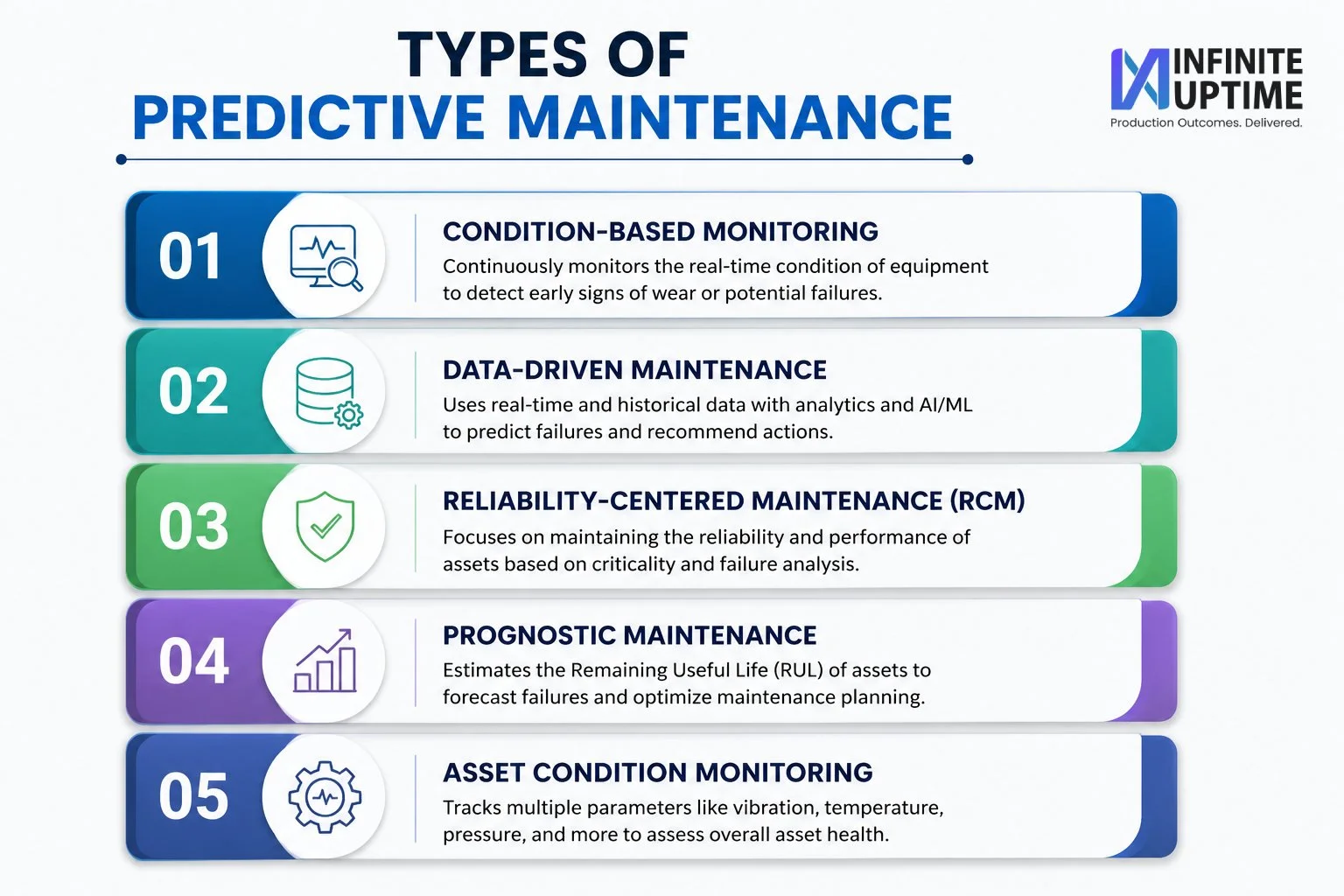
Types of Predictive Maintenance
Predictive maintenance is a proactive approach designed to anticipate equipment failures before they occur, thereby minimizing downtime and optimizing operational efficiency. Various methods and strategies within predictive maintenance leverage different technologies and analytical techniques to monitor and predict the health of equipment. Understanding the different types of predictive maintenance can help organizations choose the most appropriate strategy for their specific needs. Here are some key types of predictive maintenance:
1. Condition-Based Monitoring
Condition-based monitoring involves using sensors and monitoring tools to track the real-time condition of equipment. Parameters such as temperature, vibration, and noise are continuously measured. When these parameters deviate from their normal ranges, maintenance actions are triggered. For instance, a sudden rise in temperature might indicate a potential failure in a motor.
2. Data-Driven Maintenance
This type relies on advanced analytics and machine learning algorithms to process large volumes of historical and real-time data. By analyzing patterns and trends, predictive models forecast potential equipment failures. For example, data-driven models might predict that a specific component is likely to fail based on its historical performance and current condition.
3. Reliability-Centered Maintenance (RCM)
RCM focuses on identifying the critical functions of equipment and analyzing the potential consequences of failures. This approach helps prioritize maintenance tasks based on the impact of equipment failure on operations. It integrates data from various sources to ensure that maintenance efforts are aligned with the overall reliability goals of the organization.
4. Prognostic Maintenance
Prognostic maintenance goes beyond predicting equipment failures to estimate the remaining useful life (RUL) of machinery. By using sophisticated algorithms and predictive models, it provides a timeline for when equipment will likely need maintenance. This approach helps in scheduling maintenance activities more accurately and avoiding unnecessary interventions.
5. Asset Condition Monitoring
Asset condition monitoring involves using a combination of physical measurements and visual inspections to assess the health of equipment. This type often includes techniques such as infrared thermography, acoustic monitoring, and oil analysis. The goal is to gather comprehensive data on asset condition and make informed maintenance decisions.
Advantages of Predictive Maintenance
1. Reduced Downtime
Predictive maintenance significantly reduces unexpected equipment failures and associated downtime. By addressing issues before they escalate, organizations can prevent costly disruptions and maintain smooth operations.
2. Lower Maintenance Costs
With predictive maintenance, maintenance activities are performed only when necessary, reducing the frequency of unnecessary maintenance tasks. This targeted approach helps in saving on labor costs, replacement parts, and other maintenance-related expenses.
3. Increased Equipment Lifespan
Timely interventions and accurate maintenance scheduling can extend the lifespan of machinery. By preventing severe damage and wear, predictive maintenance ensures that equipment remains in good condition for a longer period.
4. Enhanced Productivity
Reduced downtime and fewer equipment failures lead to increased productivity. Operations can proceed without interruptions, resulting in higher output and efficiency.
5. Optimized Resource Allocation
Predictive maintenance allows for better planning and resource management. Maintenance teams can focus their efforts on high-priority tasks and use their time more effectively.
6. Improved Safety
By addressing potential issues before they cause equipment failures, predictive maintenance helps in reducing safety risks. Well-maintained equipment is less likely to pose hazards to operators and other personnel.
Did You Know?
A single unexpected gearbox failure in a manufacturing plant can stop production for several hours—or even days—depending on equipment availability and repair complexity. Predictive maintenance identifies early warning signs, allowing maintenance teams to schedule repairs before failures disrupt production.
The Impact of Predictive Maintenance
1. Operational Efficiency
Predictive maintenance enhances operational efficiency by minimizing downtime and optimizing maintenance schedules. Organizations can achieve higher levels of productivity and operational effectiveness through continuous monitoring and timely interventions.
2. Cost Savings
Implementing predictive maintenance can lead to substantial cost savings. By avoiding unplanned downtime and reducing unnecessary maintenance activities, organizations can lower their overall maintenance expenses and improve their financial performance.
3. Enhanced Equipment Reliability
Predictive maintenance improves the reliability of equipment by ensuring that potential issues are addressed before they lead to failures. This increased reliability contributes to smoother operations and higher levels of customer satisfaction.
4. Data-Driven Decision Making
The use of data and analytics in predictive maintenance provides valuable insights for decision-making. Organizations can make informed choices based on real-time data and predictive models, leading to better maintenance strategies and improved overall performance.
5. Sustainability and Environmental Impact
By reducing the frequency of maintenance activities and extending equipment lifespan, predictive maintenance supports sustainability efforts. Fewer replacements and repairs mean reduced waste and lower environmental impact, contributing to more sustainable operations.
6. Competitive Advantage
Organizations that adopt predictive maintenance gain a competitive edge by enhancing their operational efficiency and reliability. This advantage can lead to improved market positioning and greater customer trust.
Predictive Maintenance Challenges
As organizations increasingly adopt predictive maintenance to enhance operational efficiency and reduce downtime, several challenges must be addressed to fully realize its benefits. Despite its advantages, implementing predictive maintenance is not without hurdles. These challenges can impact the effectiveness and adoption of predictive maintenance strategies. Understanding and addressing these obstacles is crucial for organizations to leverage predictive maintenance successfully. Here are some of the key challenges faced:
1. High Initial Costs
Implementing predictive maintenance can be expensive, particularly in the initial stages. Costs include purchasing and installing sensors, integrating advanced analytics software, and upgrading existing infrastructure. These upfront investments can be a barrier for some organizations, especially smaller ones with limited budgets.
2. Complexity of Integration
Integrating predictive maintenance with existing systems and processes can be complex. Organizations often need to upgrade their Enterprise Resource Planning (ERP) systems, Computerized Maintenance Management Systems (CMMS), and other technology platforms to accommodate predictive analytics. Ensuring seamless integration between new and old systems requires careful planning and execution.
3. Data Quality and Management :
Predictive maintenance relies heavily on data accuracy and quality. Inconsistent or incomplete data can lead to incorrect predictions and ineffective maintenance strategies. Organizations must implement robust data management practices to ensure that the data used for predictive models is clean, accurate, and comprehensive.
4. Workforce Training
Training staff to use new predictive maintenance tools and interpret data effectively is essential but can be challenging. Maintenance teams need to acquire new skills and knowledge to operate advanced technologies and make data-driven decisions. This training can be time-consuming and costly.
5. Scalability Issues
As organizations grow, scaling predictive maintenance solutions(pdms) can be difficult. Expanding the system to accommodate additional equipment, locations, or data sources requires careful planning and may involve additional costs. Ensuring that the predictive maintenance system scales effectively is crucial for maintaining its benefits as the organization evolves.
6. Data Security Concerns
With the increasing reliance on digital data and connected devices, data security becomes a significant concern. Protecting sensitive information from cyber threats and ensuring compliance with data protection regulations are critical for maintaining the integrity of predictive maintenance systems.
Predictive Maintenance Example
Example: Cement Plant Kiln Drive System
In the cement industry, predictive maintenance can significantly enhance operations by monitoring critical equipment such as rotary kiln gearboxes. For example, sensors placed on the gearbox track vibration and temperature in real time. When these sensors detect anomalies, such as increased vibration, an alert is generated, prompting a maintenance check before a failure occurs. This approach helps prevent unexpected breakdowns, reduces downtime, and improves overall equipment effectiveness, ensuring continuous and efficient cement production despite the challenges of aging machinery and remote locations.
Industry Use Cases of Predictive Maintenance
Predictive maintenance is revolutionizing various industries by providing insights into equipment health before failures occur. This proactive approach uses data from sensors and advanced analytics to predict potential issues, thereby minimizing downtime, optimizing maintenance schedules, and enhancing overall operational efficiency. Here’s how predictive maintenance is being applied across different industries to improve performance and reliability:
Steel Industry
In the steel industry, predictive maintenance is crucial for managing the health of equipment such as blast furnaces, rolling mills, and conveyors. By analyzing data from sensors, steel manufacturers can predict failures in critical components, such as pumps and motors, reducing unplanned downtime and optimizing production efficiency.
Chemicals & Fertilizers
Predictive maintenance in the chemicals and fertilizers sector focuses on ensuring the reliability of reactors, mixers, and pumps. For example, by monitoring vibration patterns and temperature changes in reactors, companies can prevent catastrophic failures and maintain continuous production.
Cement Industry
Cement manufacturers use predictive maintenance to monitor equipment like kilns, crushers, and mills. By employing techniques such as vibration analysis and infrared thermography, they can detect issues such as misalignment or overheating early, thus avoiding costly breakdowns and optimizing maintenance schedules.
Pharmaceutical Industry
In pharmaceuticals, predictive maintenance helps in maintaining the integrity of production lines and critical equipment like mixers, tablet presses, and packaging machines. Predictive tools ensure that equipment operates within specified parameters, minimizing the risk of contamination and ensuring product quality.
Paper Industry
Predictive maintenance is applied in the paper industry to monitor machines such as paper machines, dryers, and pulpers. By using sensors and real-time data analysis, manufacturers can predict wear and tear on components, reducing unplanned outages and improving overall efficiency.
FMCG (Fast-Moving Consumer Goods)
In the FMCG sector, predictive maintenance is used to manage equipment in packaging lines, bottling plants, and distribution centers. Predictive analytics help in anticipating failures in high-speed machinery, thereby ensuring smooth operations and reducing downtime.
Tire Industry
The tire industry employs predictive maintenance to monitor machinery like curing presses, mixers, and extruders. By analyzing vibration and temperature data, manufacturers can predict and address potential issues before they affect production, improving equipment reliability.
Automotive Industry
In automotive manufacturing, predictive maintenance is applied to assembly lines, robotic arms, and other critical equipment. By using advanced Industrial analytics, automotive manufacturers can anticipate failures, reduce downtime, and ensure continuous production.
Aluminium Industry
Predictive maintenance in the aluminium industry focuses on equipment such as smelting furnaces, casting machines, and rolling mills. Techniques like infrared thermography and vibration analysis help in detecting potential issues, ensuring consistent production quality and minimizing disruptions.
Oil and Gas Industry
The oil and gas sector uses predictive maintenance to monitor equipment like pumps, compressors, and pipelines. By analyzing data from sensors and employing advanced analytics, companies can predict failures, optimize maintenance schedules, and ensure safe and efficient operations.
Future of Predictive Maintenance
As industries continue to evolve, so too does the field of predictive maintenance. The future promises exciting advancements that will transform how organizations monitor and maintain their equipment. With ongoing innovations in technology, predictive maintenance is poised to become more accurate, efficient, and integral to industrial operations. Here’s a look at the key trends shaping the future of predictive maintenance.
1. Advancements in AI and Machine Learning
The future of predictive maintenance will be heavily influenced by advancements in artificial intelligence (AI) and machine learning (ML). These technologies will enable more accurate predictions by analyzing larger datasets and identifying complex patterns. AI and ML algorithms will continue to evolve, improving the precision of predictive models and enhancing decision-making processes.
2. Integration with IoT
The Internet of Things (IoT) will play a crucial role in the future of predictive maintenance. IoT devices will provide real-time data from a wide range of equipment, enabling more granular monitoring and analysis. As IoT technology advances, the integration of IoT sensors with predictive maintenance systems will become more seamless and effective.
3. Enhanced Data Analytics
Predictive maintenance relies heavily on data accuracy and quality. Inconsistent or incomplete data can lead to incorrect predictions and ineffective maintenance strategies. Organizations must implement robust data management practices to ensure that the data used for predictive models is clean, accurate, and comprehensive.
4. Edge Computing
Edge computing will enable real-time data processing closer to the source of data collection. This technology will reduce latency and improve the speed of predictive maintenance systems, allowing for faster response times and more immediate decision-making.
5. Predictive Maintenance as a Service
The adoption of predictive maintenance as a service (PMaaS) will grow, offering organizations access to advanced predictive maintenance technologies and expertise without the need for significant upfront investments. PMaaS providers will offer scalable solutions, making it easier for businesses to implement and benefit from predictive maintenance.
6. Increased Focus on Sustainability
The future of predictive maintenance will also include a greater emphasis on sustainability. By optimizing equipment performance and reducing waste, predictive maintenance will contribute to more sustainable operations. Organizations will focus on minimizing environmental impact and promoting energy efficiency through advanced predictive maintenance practices.
As AI, IoT, data analytics, and edge computing continue to develop, predictive maintenance will become more accurate, efficient, and accessible. By embracing these innovations, organizations will not only improve their operational efficiency but also contribute to more sustainable practices, ensuring that predictive maintenance remains a crucial element of modern industrial strategy.
Role of AI in predictive maintenance
What is AI Predictive Maintenance?
AI Predictive Maintenance is a maintenance strategy that uses artificial intelligence, machine learning, and real-time sensor data to predict equipment failures in advance and recommend the best time and action for maintenance before a breakdown occurs.
👉 In simple terms:
“It tells you what will fail, when it will fail, and what you should do about it.”
Artificial Intelligence (AI) plays a critical role in predictive maintenance by analyzing large volumes of real-time and historical equipment data—such as vibration, temperature, pressure, current, and acoustics—to detect early signs of asset degradation. Unlike traditional rule-based monitoring, AI learns the normal operating behavior of machines and identifies subtle anomalies that indicate potential failures before they occur.
Beyond prediction, AI-driven prescriptive maintenance provides clear, actionable guidance by diagnosing root causes and recommending what action to take, when to take it, and the impact of delaying it. These insights help maintenance teams plan work during scheduled shutdowns rather than reacting to emergencies, while avoiding unnecessary maintenance. For industrial operations, this leads to reduced unplanned downtime, lower maintenance and spare-part costs, extended equipment life, improved safety, and more consistent, efficient plant performance.
Conclusion
Predictive maintenance is a powerful strategy that offers significant benefits, including reduced downtime, lower maintenance costs, and increased equipment lifespan. However, it also presents challenges such as high initial costs, data management issues, and the need for workforce training. By exploring industry-specific use cases and staying informed about future trends, organizations can effectively navigate these challenges and leverage predictive maintenance to enhance operational efficiency, improve reliability, and gain a competitive edge in their respective industries. Interested in learning how Infinite Uptime’s advanced Predictive Maintenance solutions are transforming asset and operational efficiencies for major industries ?
Infinite Uptime delivers cutting-edge machine diagnostics, remote condition monitoring, and predictive maintenance solutions across a range of industries, including Cement, Steel, Mining, Metals, Tire, Paper, Automotive, Chemicals, FMCG, Oil and Gas, and beyond. Discover how our innovative predictive maintenance technologies can enhance reliability and performance in your process plant. Explore the tailored solutions provided by Infinite Uptime to see how they can support your operational goals. We are available in the USA, India, and EMEA to serve your needs globally.
Condition-Based Maintenance vs Predictive Maintenance: A Comprehensive Comparison
In the ever-evolving world of industrial operations, maintenance strategies play a crucial role in ensuring equipment reliability and operational efficiency. Among the various approaches, Condition-Based Maintenance (CBM) and Predictive Maintenance (PdM) are two prominent strategies that are often discussed. Understanding the differences and applications of each can help organizations choose the right strategy to optimize their maintenance efforts. This article explores the key aspects of Condition-Based Maintenance and Predictive Maintenance, highlighting their differences, benefits, and best-use scenarios.
Condition-Based Maintenance (CBM)
Definition : Condition-Based Maintenance (CBM)
Condition-Based Maintenance (CBM) is a maintenance strategy where actions are taken based on the actual condition of equipment rather than on a fixed schedule. CBM involves monitoring the performance and health of equipment in real-time to determine the appropriate time for maintenance interventions.
Key Characteristics
Real-Time Monitoring : CBM relies on real-time data collected from various sensors and monitoring tools to assess the condition of machinery. Reactive Approach : Maintenance is performed when certain parameters, such as vibration, temperature, or pressure, indicate that equipment is not operating within its normal range. Threshold-Based : CBM involves setting thresholds or limits for specific parameters. Maintenance actions are triggered when these thresholds are breached.
Benefits
Reduced Downtime : By addressing issues only when they arise, CBM helps in minimizing unnecessary maintenance activities and reducing overall downtime. Cost Efficiency : Maintenance costs can be optimized by performing interventions only when necessary, avoiding the expense of routine maintenance. Extended Equipment Life : Timely maintenance based on equipment condition can help in preventing severe damage and extending the life of machinery.
Limitations
Reactive Nature : CBM may still lead to unexpected failures if the condition parameters are not effectively monitored or if sudden changes occur. Limited Insight : CBM provides information on the current state of equipment but may not offer insights into future potential issues.
Predictive Maintenance (PdM)
Definition : Predictive Maintenance (PdM)
Predictive Maintenance (PdM) is a proactive maintenance strategy that uses data analytics and advanced algorithms to predict when equipment is likely to fail. By analyzing historical and real-time data, PdM aims to identify potential issues before they lead to equipment breakdowns.
Key Characteristics
Data-Driven : PdM relies on sophisticated data analytics, machine learning, and historical data to forecast equipment failures and schedule maintenance. Proactive Approach : Maintenance is performed based on predictions of potential failures, allowing for planned interventions before issues become critical. Trend Analysis : PdM involves analyzing trends and patterns in equipment data to predict future performance and potential problems.
Benefits
Minimized Downtime : By predicting failures before they occur, PdM helps in scheduling maintenance activities at the most convenient times, reducing unplanned downtime. Enhanced Reliability : PdM provides deeper insights into equipment health, enabling more accurate and effective maintenance strategies. Optimized Maintenance Scheduling : Maintenance activities can be scheduled based on predicted needs, reducing unnecessary maintenance and improving operational efficiency.
Limitations
High Initial Investment : Implementing PdM requires investment in advanced technologies, data analytics tools, and sensor systems. Complexity : PdM systems can be complex to set up and require ongoing management and analysis to ensure accuracy and effectiveness.
Comparison and Best Use Cases
Maintenance Strategy : CBM is best suited for environments where monitoring equipment condition in real-time is feasible and where maintenance needs are relatively straightforward. PdM, on the other hand, is ideal for complex systems where predicting potential failures can significantly enhance reliability and reduce costs. Cost Considerations : CBM typically involves lower upfront costs but may result in higher maintenance costs over time. PdM requires a larger initial investment but can lead to greater cost savings and efficiency improvements in the long run. Complexity and Implementation : CBM is generally easier to implement and manage, while PdM involves more sophisticated technology and data analysis, requiring specialized expertise.
Here’s a comparative table outlining the differences between Condition-Based Maintenance (CBM) and Predictive Maintenance (PdM):
Aspect
Condition-Based Maintenance (CBM)
Predictive Maintenance (PdM)
Definition
Maintenance based on the actual condition of equipment.
Maintenance based on predictions of future equipment failures.
Approach
Reactive; maintenance is performed when equipment condition exceeds predefined thresholds.
Proactive; maintenance is scheduled based on predicted future failures.
Data Collection
Real-time monitoring through sensors and data collection tools.
Advanced data analytics using historical and real-time data.
Maintenance Triggers
Based on threshold breaches or deviations in real-time data.
Based on predictive algorithms and trends in data.
Technology Used
Basic sensors and monitoring systems.
Advanced analytics, machine learning, and IoT sensors.
Cost
Lower initial investment; ongoing costs based on maintenance activities.
Higher initial investment; potential for greater long-term savings.
Complexity
Generally simpler to implement and manage.
More complex, requiring sophisticated setup and ongoing analysis.
Downtime
Potential for unplanned downtime if condition thresholds are not timely detected.
Minimizes unplanned downtime by predicting and addressing issues before they occur.
Insight
Provides information on current equipment condition.
Offers insights into future performance and potential issues.
Maintenance Schedule
Reactive; maintenance is performed as needed based on equipment condition.
Proactive; maintenance is planned and scheduled based on predictions.
Error Detection
Based on real-time condition data and threshold breaches.
Based on trend analysis and predictive models.
Implementation Time
Quicker to implement due to less complexity.
Longer setup time due to advanced technology and analysis.
Impact on Equipment Life
Extends equipment life by addressing issues as they arise.
Potentially extends equipment life by preventing severe issues before they occur.
Workforce Training
Less intensive; focused on monitoring and responding to condition data.
More intensive; requires understanding of predictive analytics and data interpretation.
This table provides a clear comparison of the two maintenance strategies, helping organizations understand the key differences and make informed decisions based on their specific needs and operational contexts.
Conclusion
Both Condition-Based Maintenance and Predictive Maintenance offer valuable benefits and can be effective strategies for improving equipment reliability and operational efficiency. The choice between CBM and PdM depends on various factors, including the complexity of the equipment, budget constraints, and the specific needs of the organization. By understanding the differences and applications of each strategy, businesses can make informed decisions to optimize their maintenance practices and achieve better operational outcomes.
At Infinite Uptime, we specialize in advanced Predictive Maintenance solutions that integrate Condition-Based Maintenance strategies, along with Fault Diagnostics and Machine Health Monitoring. Our state-of-the-art diagnostics and analytics tools enhance equipment reliability, minimize downtime, and drive operational excellence. With a presence in Georgia, USA; Dubai, UAE; and Pune, India, we are well-positioned to support your global maintenance needs. To learn more about how we can assist with your maintenance requirements, visit www.infinite-uptime.com or contact us at contact@infinite-uptime.com.
Get in touch with our experts or book a demo now to understand how our solutions fit your cement plant.
Fault Detection & Diagnostics for Industrial Operations : A Comprehensive Guide
In the realm of industrial operations and engineering, maintaining optimal performance and ensuring the reliability of equipment is critical. Fault detection and fault diagnostics are essential components of a robust maintenance strategy that helps in early identification and resolution of issues before they escalate into costly failures. This article delves into the intricacies of fault detection and diagnostics, exploring their significance, methods, and technologies.
Understanding Equipment Fault Detection and Diagnostics
Fault Detection Meaning
Fault detection refers to the process of identifying abnormal conditions or malfunctions in equipment or systems. The primary goal is to recognize deviations from normal operation early enough to prevent major failures or inefficiencies.
Key Objectives of Fault Detection:
Early Identification : Detects issues before they lead to significant damage or downtime. Minimize Disruptions : Reduce operational interruptions by addressing faults promptly. Optimize Maintenance : Focus maintenance efforts on actual issues rather than routine checks.
Common Methods of Fault Detection:
Threshold-Based Monitoring : Setting predefined thresholds for parameters like temperature, vibration, or pressure. If these thresholds are exceeded, an alert is triggered. Statistical Process Monitoring : Utilizing statistical models to monitor deviations from normal operating conditions. Pattern Recognition : Identifying patterns or anomalies in data that signify potential faults.
Integration with Predictive Maintenance and Machine Health Monitoring: Fault detection is a critical component of predictive maintenance solutions, which utilize real-time data and advanced analytics to anticipate equipment failures before they occur. Machine health monitoring systems continuously track equipment conditions, providing insights and alerts based on detected anomalies.
Fault Diagnostics Meaning
Fault diagnostics involves determining the root cause of a detected fault. Once a fault is detected, diagnostics aims to pinpoint the exact source and nature of the issue, enabling targeted corrective actions.
What is equipment fault diagnostics?
Equipment fault diagnostics is the process of identifying, analyzing, and determining the root cause of abnormal behavior or failures in industrial equipment. It involves examining data from sensors, control systems, and monitoring tools—such as vibration, temperature, pressure, and electrical signals—to understand what is wrong, why it is happening, and which component is affected.
In industrial environments, fault diagnostics helps maintenance and operations teams move beyond simple alarms by pinpointing the underlying issue, assessing its severity, and guiding corrective action. Effective fault diagnostics enables earlier intervention, reduces unplanned downtime, prevents secondary damage, and supports more reliable and cost-effective plant operations.
Key Objectives of Fault Diagnostics:
Root Cause Analysis : Identify the underlying cause of the fault to address it effectively. Reduce Downtime : Implement precise fixes to minimize equipment downtime. Enhance Reliability : Improve system reliability by addressing fundamental issues.
Common Methods of Fault Diagnostics:
Model-Based Diagnosis : Using mathematical models of the system to compare predicted behavior with actual performance. Data-Driven Diagnosis : Leveraging historical and real-time data to identify fault patterns and correlations. Expert Systems : Employing rule-based systems and knowledge bases to diagnose faults based on predefined rules and expert knowledge.
Integration with Predictive Maintenance and Machine Health Monitoring: Fault diagnostics complements predictive maintenance solutions by providing detailed analysis after fault detection. Machine health monitoring systems enhance diagnostics by continuously tracking equipment conditions and supplying real-time data for accurate root cause analysis.
Technologies and Tools
01 . Sensors and IoT Devices
Modern fault detection relies heavily on sensors and Internet of Things (IoT) devices that monitor various parameters such as temperature, vibration, and pressure. These devices provide real-time data that can be analyzed to detect anomalies and potential faults. 02 . Predictive Analytics
Predictive analytics uses advanced algorithms and machine learning to analyze historical data and predict future faults. By understanding patterns and trends, predictive analytics helps in anticipating failures before they occur. 03 . Condition Monitoring Systems
Condition monitoring systems continuously track the health of equipment through various metrics. They utilize data from sensors and diagnostics tools to provide insights into the equipment’s condition and predict potential failures. 04 . Fault Detection Algorithms
Algorithms play a crucial role in processing sensor data and identifying faults. Techniques such as statistical analysis, signal processing, and machine learning are employed to analyze data and detect anomalies. 05 . Diagnostic Software
Diagnostic software aids in the analysis of fault data and provides actionable insights. It often includes features for root cause analysis, visualization of data, and decision support for maintenance actions.
Benefits of Effective Fault Detection and Diagnostics
1. Improved Equipment Reliability : By detecting and diagnosing faults early, the reliability of equipment is enhanced, leading to fewer unexpected failures. 2. Cost Savings : Early detection reduces the need for emergency repairs and extends the lifespan of equipment, resulting in significant cost savings. 3. Increased Safety : Proactive fault detection minimizes the risk of safety hazards associated with equipment failures. 4. Operational Efficiency : Reduces downtime and maintenance costs, leading to more efficient operations and increased productivity.
Challenges and Considerations
1. Data Overload : Handling vast amounts of data from sensors and monitoring systems can be challenging. Effective data management and analysis are crucial. 2. Integration Issues : Integrating fault detection and diagnostic systems with existing infrastructure may require significant effort and resources. 3. False Alarms : Minimizing false positives and negatives is essential to ensure that maintenance efforts are focused on actual issues. 4. Skill Requirements : Skilled personnel are required to interpret diagnostic results and make informed decisions.
Conclusion
Fault detection and diagnostics are vital components of a proactive maintenance strategy that ensures equipment reliability and operational efficiency. By leveraging modern technologies and methodologies, organizations can effectively identify and address faults, reducing downtime and costs. As industries continue to evolve, embracing advanced fault detection and diagnostic techniques will be crucial in maintaining competitive advantage and operational excellence.
Fault detection and diagnostics are essential elements of a proactive maintenance strategy, ensuring equipment reliability and operational efficiency. At Infinite Uptime, we specialize in delivering cutting-edge machine fault diagnostics, online condition monitoring, and predictive maintenance solutions across various industries, including Cement, Steel, Mining and Metals, Tire, Paper, Automotive, Chemicals, FMCG, Oil and Gas, and more. Our solutions not only enhance equipment reliability but also extend plant life, contributing to overall operational excellence. As industries continue to evolve, partnering with Infinite Uptime ensures you stay ahead with superior fault detection and diagnostic techniques, maintaining a competitive edge and achieving long-term success.
Get in touch with our experts or book a demo now to understand how our solutions fit your cement plant.
Fault detection is the process of identifying early signs of abnormal machine behavior before a failure occurs. It enables teams to act proactively, maintain equipment health, and prevent unexpected breakdowns. This leads to improved uptime, safer operations, and more stable production.
Fault detection alerts you that something in the equipment is not functioning as expected, while fault diagnostics determines the exact cause of that issue. By working together, they help maintenance teams find and fix problems quickly, avoid repeat failures, and maintain reliable plant operations.
Any industry that relies on machinery—such as manufacturing, processing, energy, and utilities—benefits from fault detection solutions. These tools help prevent downtime, protect critical assets, and ensure smooth, efficient, and safe operations across different types of plants and equipment.
Industrial teams use sensors, IoT devices, condition monitoring systems, and diagnostic software to detect faults in real time. These tools gather performance data and highlight abnormalities, allowing maintenance teams to address issues before they escalate into costly failures or long periods of downtime.
Predictive maintenance uses data and analytics to forecast equipment issues in advance, while fault detection provides the first warning signs of abnormalities. When combined, they help plants schedule maintenance at the right moment, reduce unplanned stoppages, and extend the life of machinery.
Fault diagnostics quickly identifies the root cause of equipment problems, enabling faster and more accurate repairs. This reduces unnecessary maintenance, improves equipment reliability, and helps plants minimize downtime and repair costs. It ultimately supports safer and more efficient operations.
Diagnostics give plant teams a clear understanding of what is wrong with a machine and why it is happening. With this insight, issues can be addressed before they stop production. This proactive approach improves uptime, reduces operational disruptions, and keeps equipment performing at its best.
Understanding Types of Vibration and Measurement in Predictive Maintenance
What is Vibration in Predictive Maintenance?
Vibration in predictive maintenance refers to the oscillation or movement of industrial machine components that helps identify equipment faults before breakdown occurs. Monitoring vibration patterns allows maintenance teams to detect issues such as imbalance, misalignment, bearing damage, looseness, and mechanical wear. Vibration analysis is widely used in predictive maintenance programs across industries including cement, steel, automotive, pharmaceuticals, mining, and manufacturing because abnormal vibration is often the earliest indicator of machine failure. The main types of vibration include:
Free vibration
Forced vibration
Damped vibration
Transient vibration
These vibrations are measured using displacement, velocity, and acceleration through sensors such as accelerometers and piezoelectric vibration sensors. At Infinite Uptime, we use AI-based vibration monitoring and machine diagnostics to continuously monitor industrial assets and reduce unplanned downtime.
What is vibration analysis?
Vibration analysis is a predictive maintenance technique used to monitor
machine health by measuring vibration patterns in rotating and moving
equipment.
Key Highlights
In the realm of industrial operations, understanding vibrations is crucial for effective predictive maintenance (PdM). At Infinite Uptime, we leverage cutting-edge technology to monitor vibrations, ensuring that your equipment operates at peak efficiency. This article delves into the various types of vibrations, their measurement, and how they relate to our services.
Types of Vibration
Vibrations can be categorized into several types, each providing insights into the condition of machinery: 01 . Free Vibration :Occurs when a system oscillates without external forces after an initial disturbance. The natural frequency determines how long the system continues to vibrate.02 . Forced Vibration :Happens when an external force continuously acts on a system, such as an imbalance in rotating machinery. Understanding forced vibrations is crucial for diagnosing equipment issues.03 . Damped Vibration :Involves energy dissipation over time, reducing amplitude. Damped vibrations are common in systems designed to minimize oscillations, such as vehicle suspensions.04 . Transient Vibration :A short burst of vibrations caused by sudden changes, such as equipment start-up or impact forces. Monitoring transient vibrations can help in early fault detection. Understanding these vibration types is essential for effective predictive maintenance, as each can signal different underlying issues within machinery.
Vibration Measurement Units
Vibrations are quantified using several measurement units, typically focusing on displacement, velocity, and acceleration:https://www.youtube.com/watch?v=8lXh64NwbL8Displacement (mm) : Refers to the distance a vibrating object moves from its rest position. It’s often measured in millimeters (mm) and provides insight into the severity of vibrations.Velocity (mm/s) : Indicates how fast the displacement is occurring over time. Velocity measurements can help identify issues related to imbalances or misalignments in machinery.Acceleration (m/s²) : Reflects the rate of change of velocity, highlighting sudden changes in vibration that may indicate faults. This measurement is vital for capturing transient events.
What does vibration indicate?
Abnormal vibration can indicate:
Bearing faults
Shaft misalignment
Mechanical looseness
Imbalance
Gear damage
Vibration Measurement Techniques
Effective vibration monitoring involves advanced measurement techniques, such as: Piezoelectric Sensors : These sensors convert mechanical vibrations into electrical signals, allowing continuous monitoring of equipment health. At Infinite Uptime, our piezoelectric sensing technology operates 24/7, capturing data every six seconds to ensure prompt diagnosis.Accelerometers : Used to measure the acceleration of vibrations, providing valuable data for analyzing the dynamic behavior of machinery.Data Analysis Algorithms : Our proprietary algorithms analyze vibration data to deliver actionable insights, ensuring that any potential issues are addressed before they lead to downtime.
Where is vibration monitoring used?
Industries using vibration monitoring include:
Cement plants
Steel manufacturing
Mining
Automotive plants
Pharmaceuticals
Process manufacturing
The Role of Vibration Analysis in Predictive Maintenance
Vibration analysis is integral to our predictive maintenance approach. By continuously monitoring vibrations, Infinite Uptime can:Diagnose Equipment Health : Our AI-driven diagnostics accurately identify faults and their severity, allowing for timely interventions.Reduce Downtime : With advanced analytics, we prevent over 48,000 hours of potential downtime, enhancing operational reliability across industries such as steel, automotive, and pharmaceuticals.Optimize Maintenance Costs : Our predictive maintenance model, requiring zero capital investment, helps reduce maintenance costs by up to 27%, extending asset life and improving overall productivity by 22%.
Why is vibration monitoring important?
Continuous vibration monitoring helps reduce unexpected downtime, improve equipment reliability, lower maintenance costs, and extend asset life.
About Infinite Uptime
Infinite Uptime is an industrial AI and predictive maintenance company that helps cement, steel, mining, pharmaceutical, and manufacturing plants improve equipment reliability through AI-driven machine diagnostics, vibration monitoring, and prescriptive maintenance solutions.
The company operates across India and the USA and specializes in:
Predictive Maintenance
Vibration Monitoring
Condition Monitoring
Industrial AI
Machine Diagnostics
Prescriptive Maintenance
Conclusion
Understanding vibration types and measurement is critical for effective predictive maintenance. At Infinite Uptime, a leading predictive maintenance company, with operations in India and the USA, we harness this knowledge through advanced monitoring technologies and machine diagnostics, ensuring that your equipment operates reliably and efficiently. By choosing us, you gain access to unparalleled expertise and innovative solutions tailored to your needs. Our approach supports your digital transformation journey, driving your operations toward greater efficiency and profitability.
Get in touch with our experts or book a demo now to understand how our solutions fit your cement plant.
Frequently Asked Questions
What causes vibration in industrial machinery?
Predictive maintenance flags that a component may fail soon but rarely tells you exactly what to do, when, and with what expected impact. Prescriptive AI on PlantOS™ goes further — recommending specific, time-bound actions and learning from operator feedback, driving 99%+ action rates. The ODR report gives your team a step-by-step intervention, not an alert to interpret.
What is acceptable vibration level in rotating equipment?
Acceptable vibration levels depend on machine type, speed, and ISO standards. Most industries use vibration velocity (mm/s) as a primary measurement reference.
Which sensor is used for vibration monitoring?
Accelerometers and piezoelectric sensors are commonly used for industrial vibration monitoring and predictive maintenance systems.
What is the difference between vibration monitoring and vibration analysis?
Vibration monitoring involves continuous data collection, while vibration analysis focuses on interpreting vibration patterns to identify faults.
How does AI help in vibration analysis?
AI-based vibration analysis helps detect early fault patterns, automate diagnostics, reduce false alarms, and improve maintenance planning.
Industrial AI enables data-driven maintenance decisions
In modern manufacturing, the integration of artificial intelligence (AI) has paved the way for significant advancements in predictive maintenance (PdM). Traditionally, maintenance strategies relied on scheduled inspections or reactive repairs, leading to potential downtime and inefficiencies. AI based predictive maintenance, however, represents a transformative shift towards proactive and data-driven approaches.
What is AI Predictive Maintenance ?
Artificial intelligence (AI) is transforming the maintenance landscape across industries, leveraging advanced machine learning algorithms and analytics to enhance equipment reliability. In the manufacturing sector, AI is increasingly used to support predictive maintenance, offering significant benefits in managing and optimizing asset performance. AI predictive maintenance leverages machine learning algorithms and advanced analytics to monitor equipment condition in real-time. By continuously analyzing data from sensors, historical records, and operational parameters, AI systems can predict when equipment failure might occur. This proactive approach allows maintenance teams to intervene before issues escalate, thereby preventing unplanned downtime and optimizing asset performance.
What is Machine Learning in Predictive Maintenance?
Machine learning (ML) is the core technology that makes AI predictive maintenance possible. It is a branch of artificial intelligence in which algorithms learn patterns from data rather than being explicitly programmed with rules.
Benefits of AI in Predictive Maintenance
1 . Reduced Downtime and Costs:
AI predictive maintenance enables early detection of equipment anomalies and potential failures. By addressing issues before they lead to breakdowns, manufacturers can minimize unplanned downtime and avoid costly repairs. 2 . Improved Equipment Reliability:
With AI continuously monitoring equipment health, manufacturers can achieve higher reliability levels. Predictive insights empower proactive maintenance scheduling, ensuring equipment operates at optimal levels for extended periods. 3 . Enhanced Operational Efficiency:
By streamlining maintenance activities based on AI-driven insights, manufacturers can optimize resource allocation and workforce productivity. Tasks are prioritized based on criticality, allowing teams to focus efforts where they are most needed. 4 . Data-Driven Decision Making:
AI predictive maintenance generates actionable insights from vast amounts of data. These insights not only inform maintenance strategies but also contribute to overall operational improvements and informed decision-making across the organization. 5 . Extended Equipment Lifespan:
Proactively addressing maintenance needs through AI predictive analytics can extend the lifespan of machinery and assets. By preventing premature wear and tear, manufacturers can maximize the return on investment in capital equipment.
Case Studies and Real-World Applications
Industries ranging from automotive manufacturing to energy production have all embraced AI predictive maintenance (PdM) with notable success. For instance, automotive assembly plants use AI to predict equipment failures based on production data, optimizing uptime and ensuring consistent output. Similarly, power plants employ AI to monitor turbine performance, preemptively identifying issues to maintain reliability and operational efficiency.
Examples of AI in Predictive Maintenance
1 . Vibration Analysis for Rotating Equipment
AI analyses vibration signatures from motors, pumps, compressors, and gearboxes to detect early-stage bearing wear, shaft misalignment, and rotor imbalance — typically 4–8 weeks before the fault would cause failure. 2 . Thermal Imaging Analysis
AI processes thermal camera imagery from electrical panels and switchgear to identify hotspots indicative of loose connections, overloaded circuits, or failing components — preventing electrical fires and outages. 3 . Oil and Lubricant Analysis
AI models evaluate oil sample data — viscosity, particle count, metal content — to predict gearbox and engine degradation, recommending oil changes and component inspection before damage escalates. 4 . Acoustic Ultrasound Detection
AI interprets ultrasonic emission data to detect compressed air leaks, steam trap failures, and early-stage bearing defects that fall outside the range of standard vibration analysis. 5 . Power Quality Monitoring
AI analyses motor current signatures to detect winding faults, rotor bar cracks, and insulation degradation in electric motors — enabling targeted repairs before motor failure causes line stoppages. 6 . Process Parameter Monitoring
Beyond individual machines, AI monitors plant-wide process parameters — flow rates, pressure differentials, cycle times — to detect systemic degradation that indicates maintenance needs across an entire production line.
How Does AI Predictive Maintenance Reduce Downtime?
AI predictive maintenance reduces downtime by continuously monitoring equipment health using sensors and machine learning algorithms. The system detects abnormal patterns in vibration, temperature, pressure, and operating conditions before equipment failure occurs, allowing maintenance teams to perform repairs during planned shutdowns instead of emergency breakdowns.
How Predictive Maintenance and the Application of AI Prevent Unplanned Downtime ?
Predictive maintenance prevents unplanned downtime by continuously monitoring equipment health and identifying early signs of failure before a breakdown occurs. When AI is applied, this process becomes far more accurate and proactive.AI models analyse real-time sensor data — vibration, temperature, pressure, and operating patterns — alongside historical performance data to learn what normal operation looks like for each asset. Any deviation from this baseline is detected early, allowing maintenance teams to intervene well before the issue escalates into a production-stopping failure.
AI further reduces unplanned downtime by converting raw condition data into actionable insights. Instead of relying on fixed schedules or human interpretation alone, AI predicts failure windows, prioritises critical assets, and recommends the right maintenance action at the right time. This enables:
Planned interventions during scheduled shutdowns
Reduced emergency repairs and overtime labour costs
Improved equipment reliability across the plant
Consistent production output and on-time delivery performance
By shifting maintenance from reactive firefighting to data-driven prevention, manufacturers significantly minimise unexpected stoppages, protect productivity, and improve overall operational efficiency.
How Machine Learning Works in PdM
In the context of predictive maintenance, machine learning models are trained on historical equipment data — including both normal operating data and data collected during or before known failures. The model learns the statistical patterns and signal signatures that precede failure events. When it encounters similar patterns in live data, it raises a predictive alert.
The Future of Predictive Maintenance Using AI
As AI technologies continue to evolve, the capabilities of predictive maintenance will only expand. Enhanced algorithms, coupled with advancements in sensor technology and IoT connectivity, will enable even more precise predictions and proactive maintenance strategies. Manufacturers stand to benefit from reduced costs, improved sustainability, and enhanced competitiveness in the global market.
AI for Predictive Maintenance in Industrial Systems
Manufacturing Plants
In discrete and process manufacturing, AI monitors CNC machines, conveyor systems, robotic arms, and packaging equipment. It integrates with MES (Manufacturing Execution Systems) to align maintenance windows with production schedules, minimising impact on output.
Cement and Mining
Heavy rotating equipment — mills, kilns, crushers, and bucket elevators — operates under extreme conditions and is expensive to repair or replace. AI continuously monitors these assets, detecting liner wear, imbalance, and bearing fatigue months in advance.
Oil, Gas, and Petrochemical
Compressors, pumps, heat exchangers, and pipeline systems are monitored for corrosion, vibration, and pressure anomalies. AI-driven PdM supports safety integrity and regulatory compliance in these high-consequence environments.
Power Generation
Gas turbines, steam turbines, generators, and transformers are monitored using AI to maintain grid reliability. AI detects blade erosion, winding insulation degradation, and cooling system anomalies before they cause forced outages.
Utilities and Water Treatment
Pumping stations, filtration systems, and HVAC equipment are monitored to maintain service continuity and reduce energy waste from degraded equipment performance.
Automotive Assembly
AI monitors stamping presses, welding robots, paint booths, and conveyor systems in real time, predicting maintenance needs to maintain line rate and quality targets.
Conclusion
AI predictive maintenance (PdM)represents a pivotal advancement in industrial operations, offering manufacturers a strategic advantage in managing equipment reliability and operational efficiency. By harnessing the power of AI-driven insights, businesses can not only mitigate risks associated with equipment failures but also pave the way for a more sustainable and productive future.
In conclusion, the integration of AI in predictive maintenance is not merely a technological upgrade but a transformative approach towards achieving operational excellence in manufacturing industries worldwide. Infinite Uptime is taking asset condition monitoring to newer heights with its conversational AI, Nity. Nity is designed to identify critical assets and report performance data on a massive scale. Its ability to interact with users and provide data swiftly facilitates quicker decision-making, improved productivity, and enhanced operational efficiency. By harnessing the power of AI-driven insights through Nity, businesses can mitigate risks associated with equipment failures and pave the way for a more sustainable and productive future.
Get in touch with our experts or book a demo now to understand how our solutions fit your cement plant.

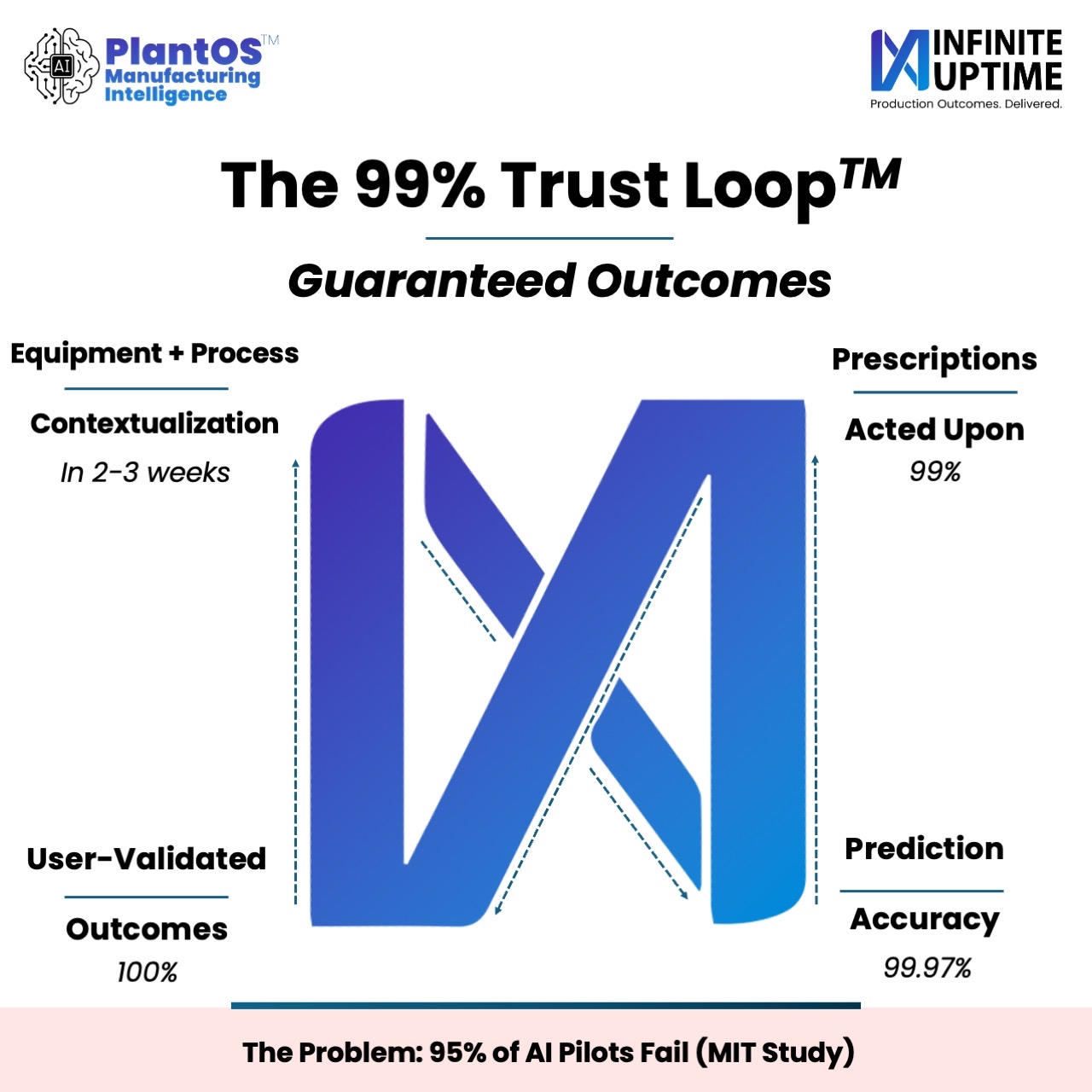


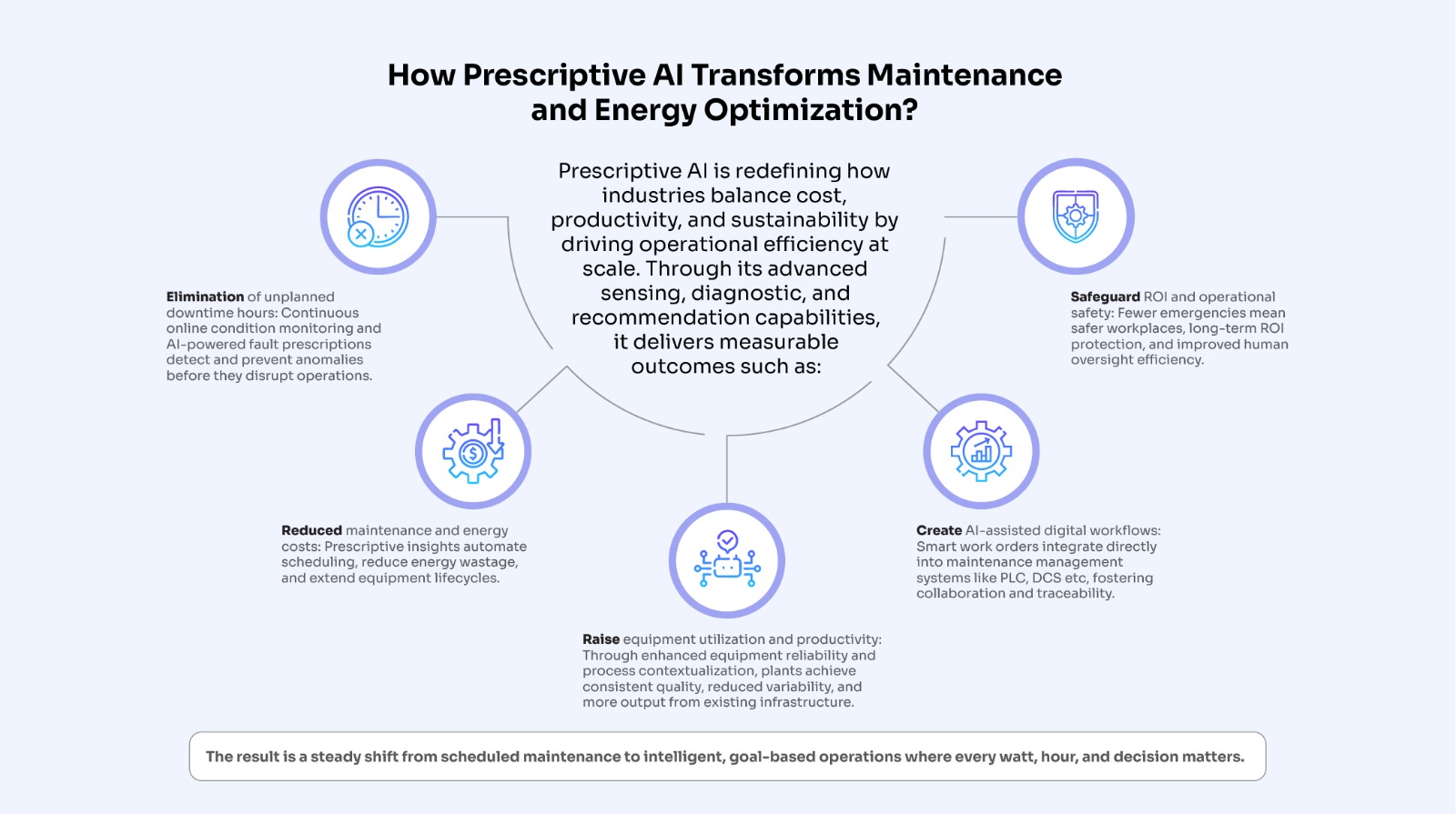















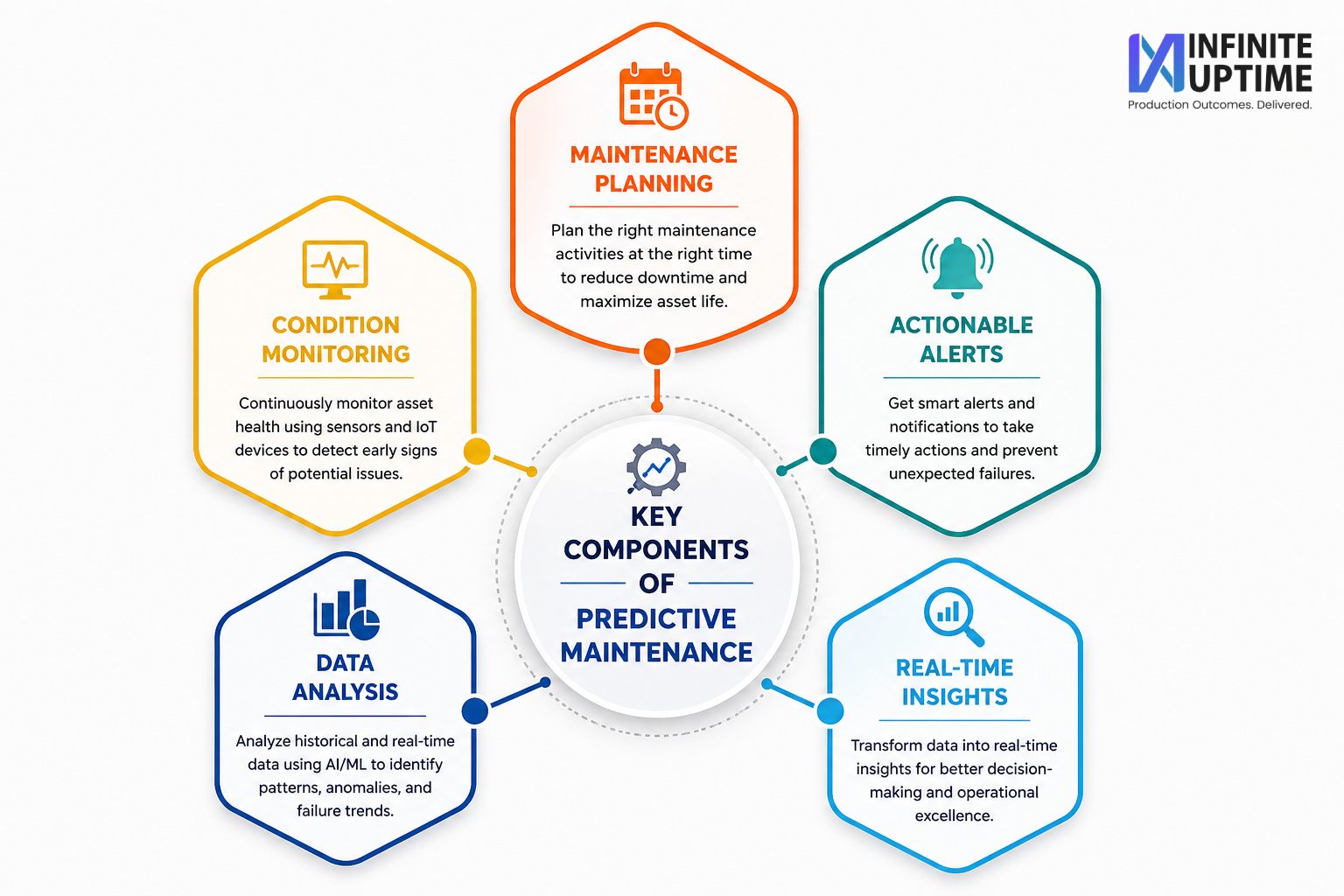 Predictive maintenance is an advanced approach to maintenance that leverages technology and data to foresee potential equipment failures before they occur. By integrating various components, organizations can enhance the reliability and efficiency of their operations. Understanding these key components is crucial for implementing a successful predictive maintenance strategy. Here are the essential elements that make predictive maintenance effective: